
CREATING A VISUAL IP : AVATAR WORLD CASE STUDY
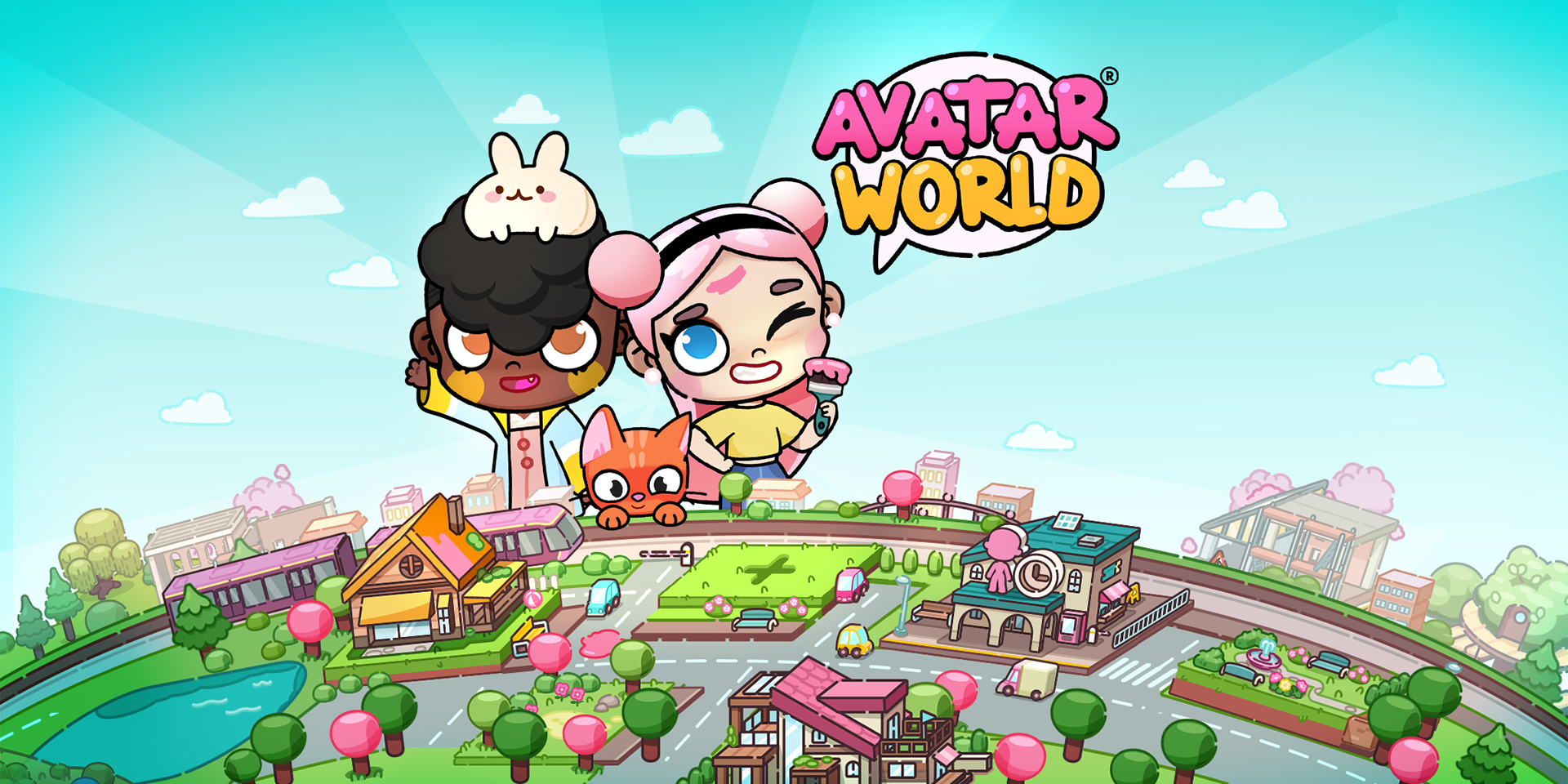
Avatar World is a successful creativity-driven mobile game built on exploration, self-expression and open-ended play, serving as a storytelling and pretend-play platform for tens of millions of kids worldwide.
MY ROLE & OWNERSHIP
As the Principal Art Director (Executive-level), Head of Art & Design and the original hands-on creator of the game’s aesthetic foundations, I defined its core visual language, built and scaled its creative systems and guided its evolution into a cohesive, scalable IP with a unified vision across teams and production streams.
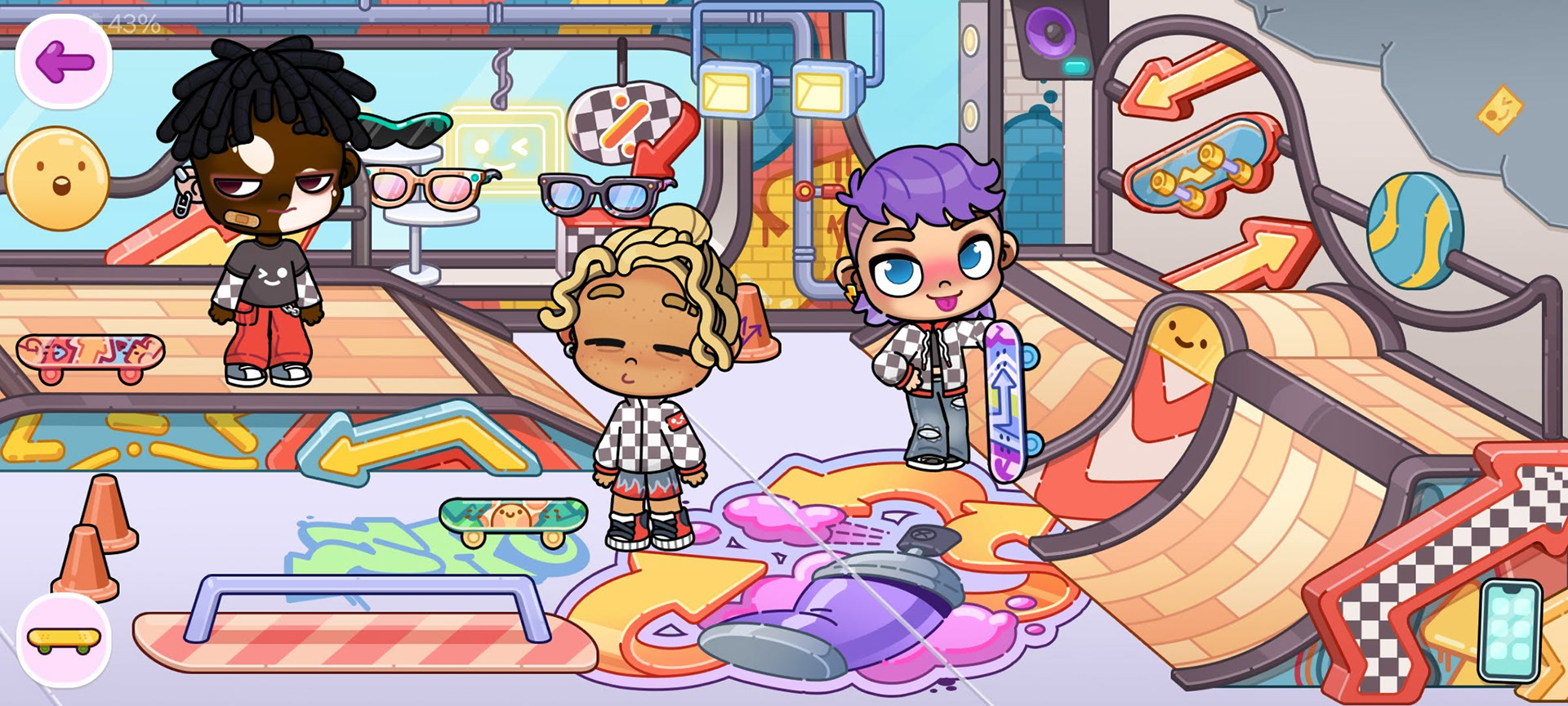
CREATIVE PHILOSOPHY and DESIGN LOGIC
My creative approach to Avatar World began with a quest to understand our players’ true motivations: what emotional experience the game could meaningfully offer its young audience.
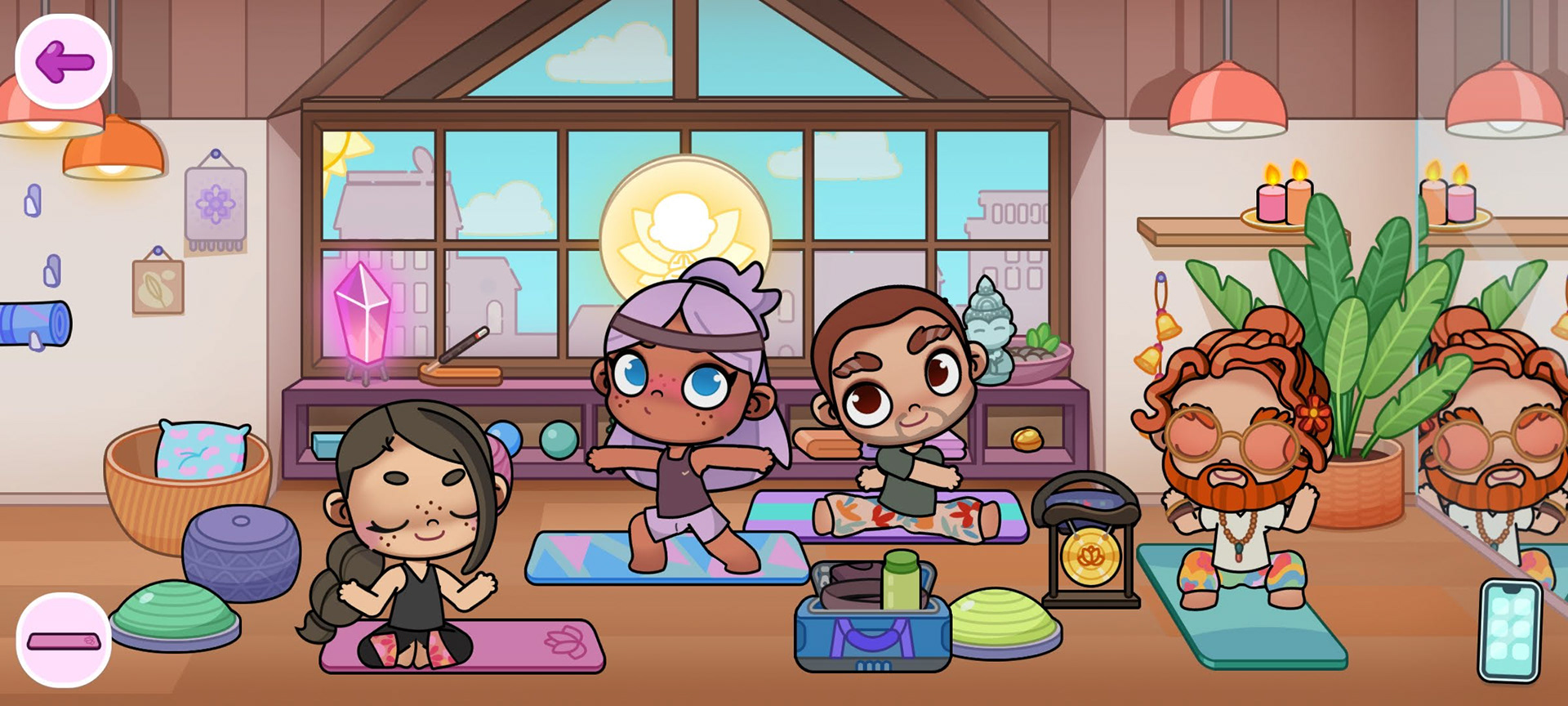
I didn't have to look far. As it turned out, I was designing for the player-child I once was. Drawing from my own childhood memories of feeling amazed by visual moments so rich with life, detail and possibility, I wanted the world to feel abundantly and unapologetically visually rich - layered and overflowing with cues that evoke that same sense of awe and exploration.
In my mind, Avatar World would function both as an immersive reflection of everyday, familiar life - a stage for pretend play with real emotional value for players - and as a palm-sized miniature universe shaped for the mobile canvas, echoing the inviting magic of a toy. The inherent toyness of the digital game was instrumental to how I designed and imagined this world - a foundational principle inspired by my lifelong love for miniature worlds, toys, and tiny spaces.
Those creative instincts translated into clear principles that guided character design, visual flow, level and map composition, color language, rendering style and UI/UX decisions - ultimately forming the visual DNA of the IP.
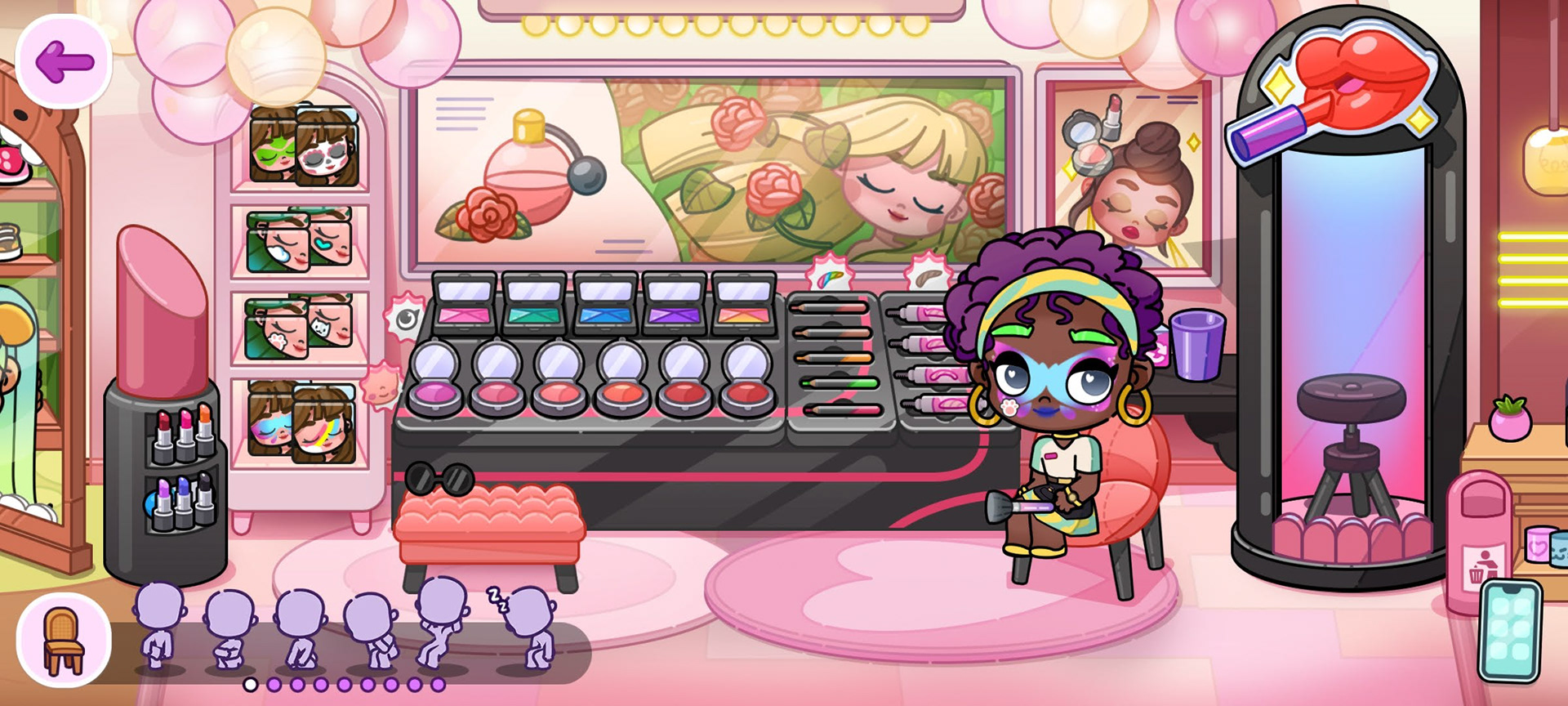
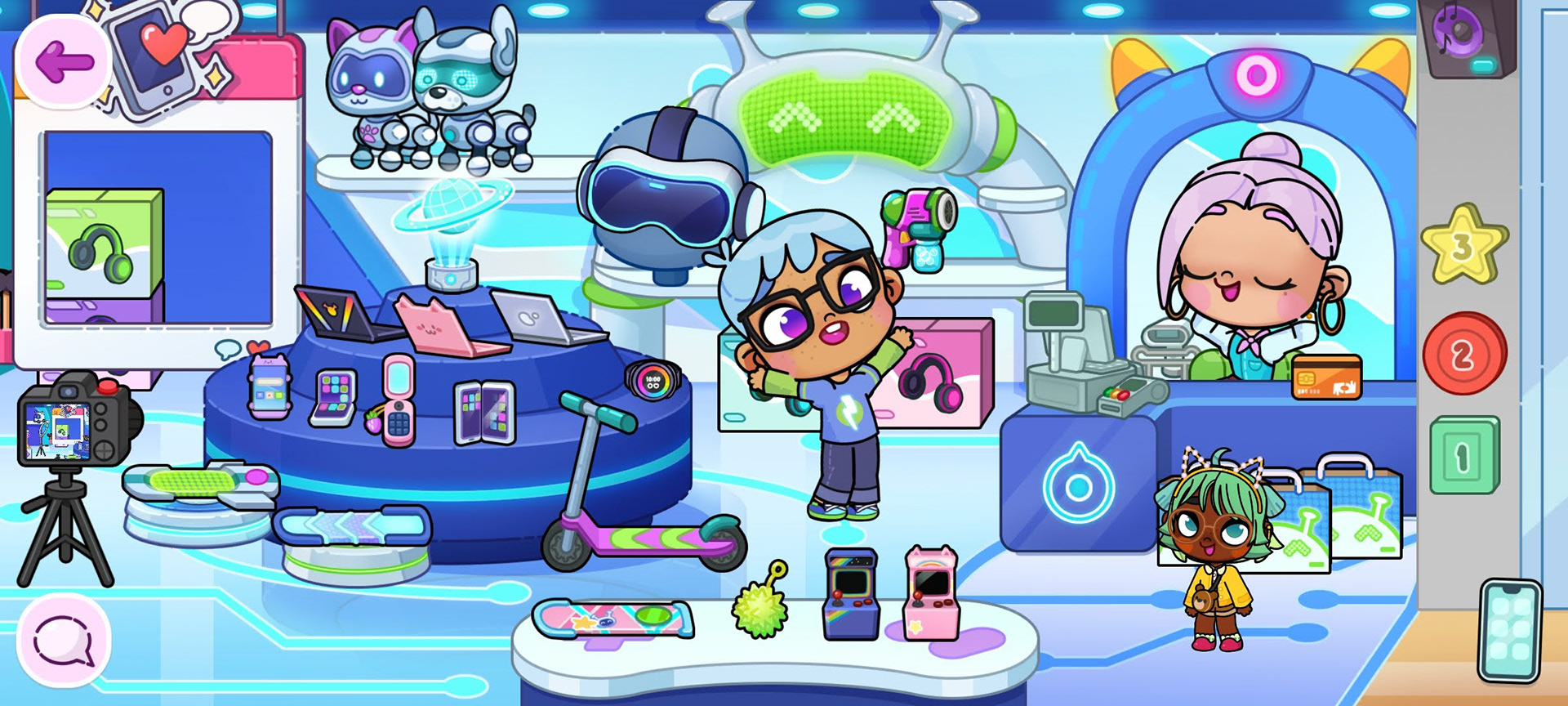
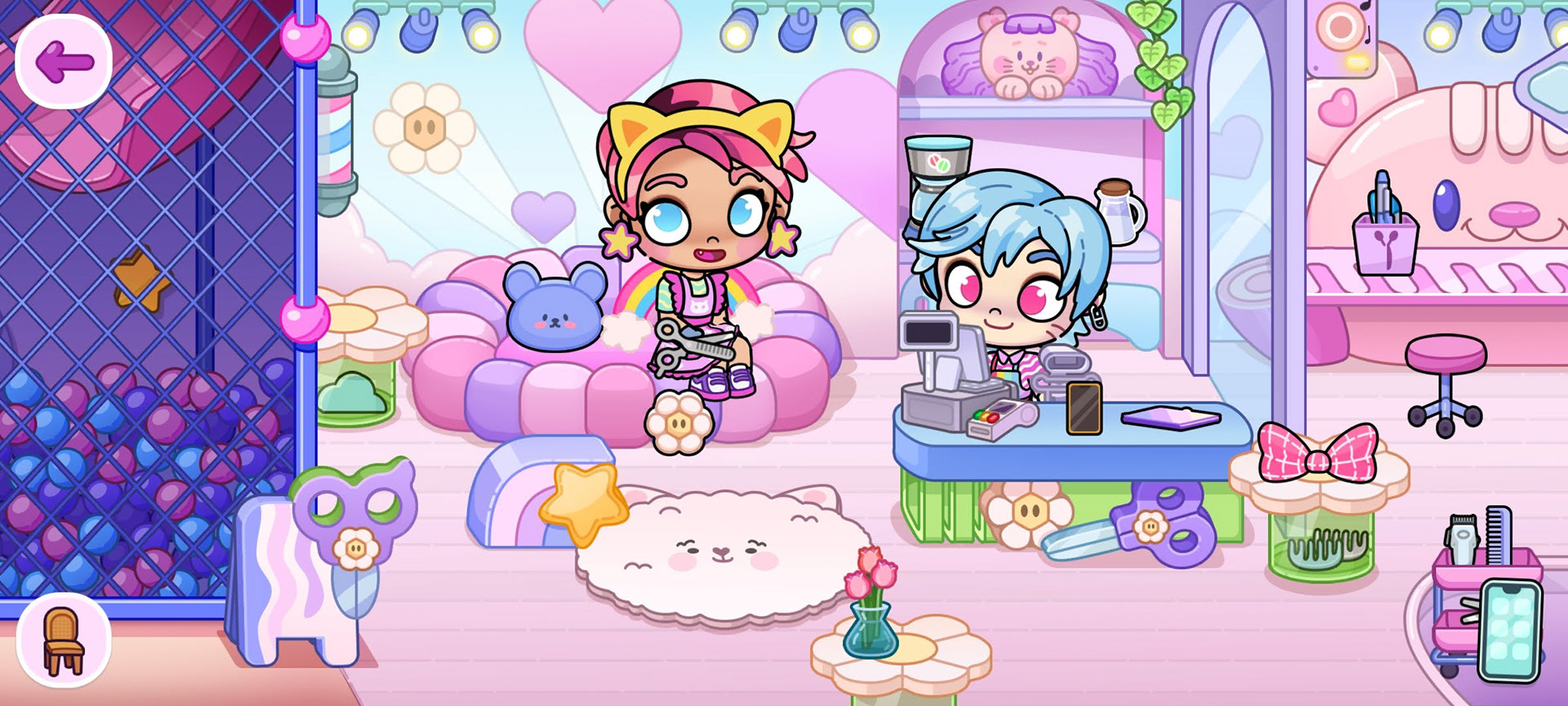
CORE CHALLENGES
These challenges reflect the direction and standards I defined in shaping the long-term visual identity of the IP, alongside structural needs that emerged as the product and team evolved.
1
Establishing a globally recognizable and original visual language
Creating a distinct aesthetic signature that felt instantly identifiable and differentiated within a crowded global market.
2
Designing a cross-cultural art style that is contemporary yet timeless
Balancing modern kids’ culture with long-term durability, shaping a visual language that feels cute, expressive and internationally appealing without being tied to a specific genre.
3
Architecting the artistic-technical foundations of the world
Defining a unified perspective system and modular structural rules that support gameplay and anchor the visual logic of characters, environments and levels.
4
Building a live world that grows continuously
Avatar World is a live, ever-expanding universe with tens of millions of kids expecting weekly content updates. The visual system needed to stay coherent under rapid production cycles while supporting meaningful thematic variety.
5
Ensuring consistency across thousands of assets
As scope and team size grew, maintaining alignment, preventing stylistic drift and embedding the visual DNA across parallel production streams became a major challenge.
6
Creating a scalable foundation for future IP expansion
The visual DNA needed to support not only the current product but also future extensions into new themes, experiences and potential physical products.
SOLUTIONS and CREATIVE PRINCIPLES
1
Visual DNA: Defining the Core Aesthetic Principles
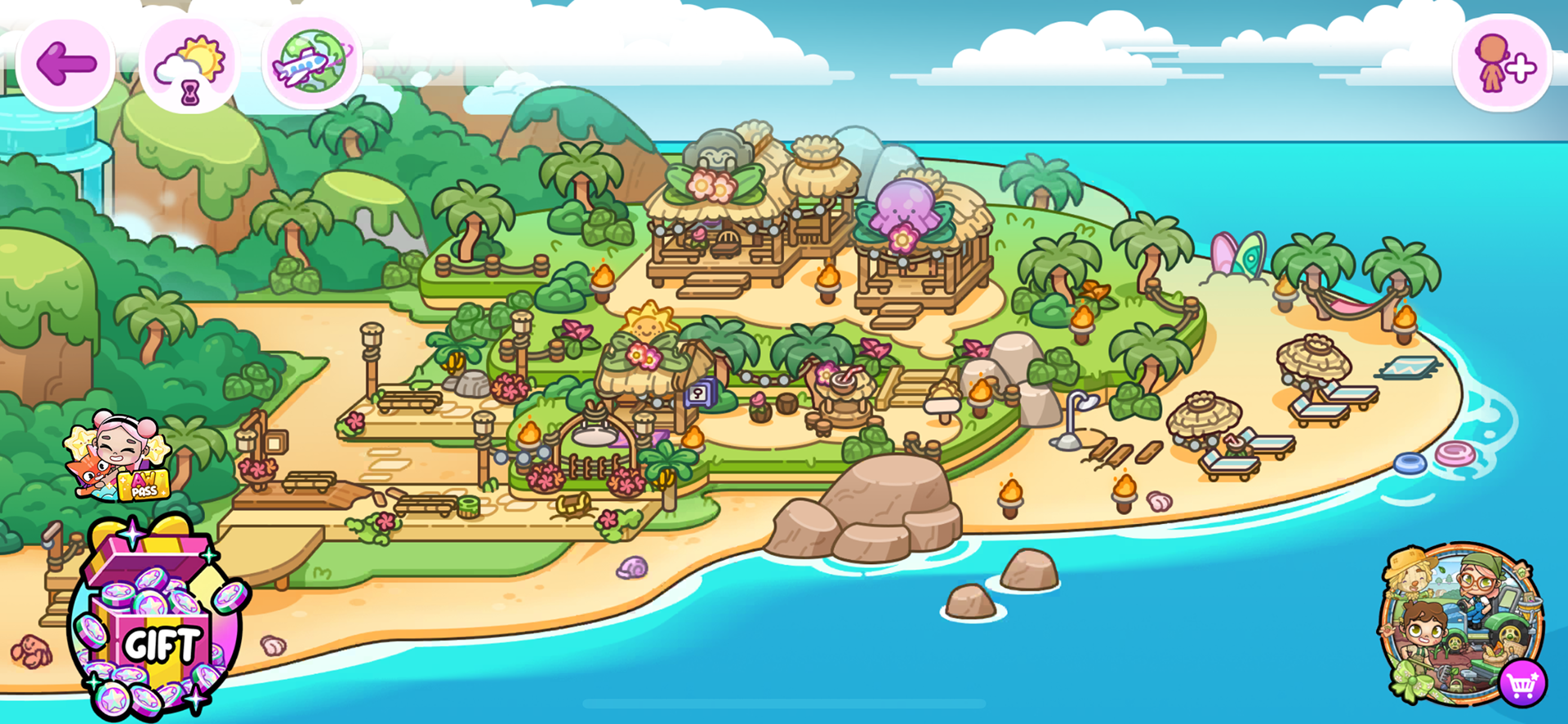
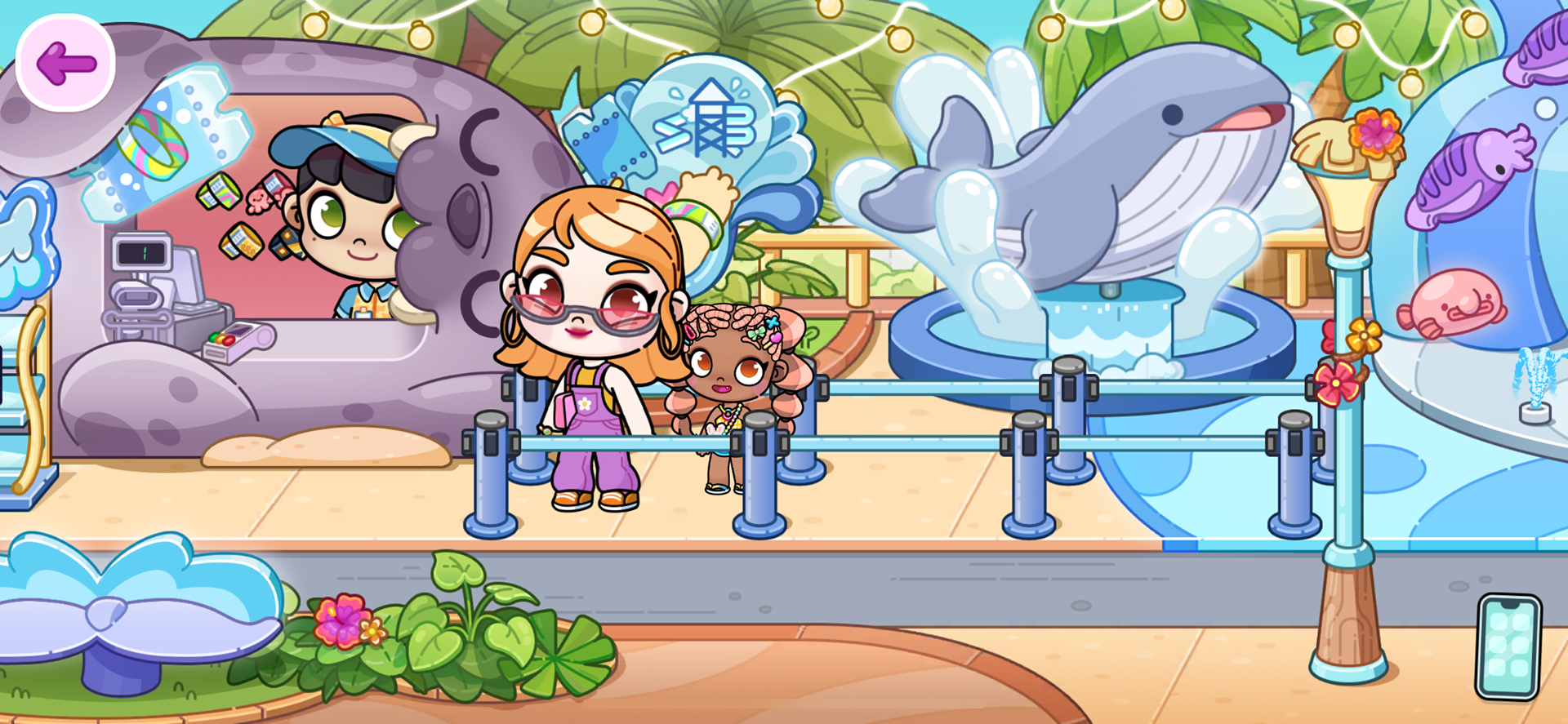
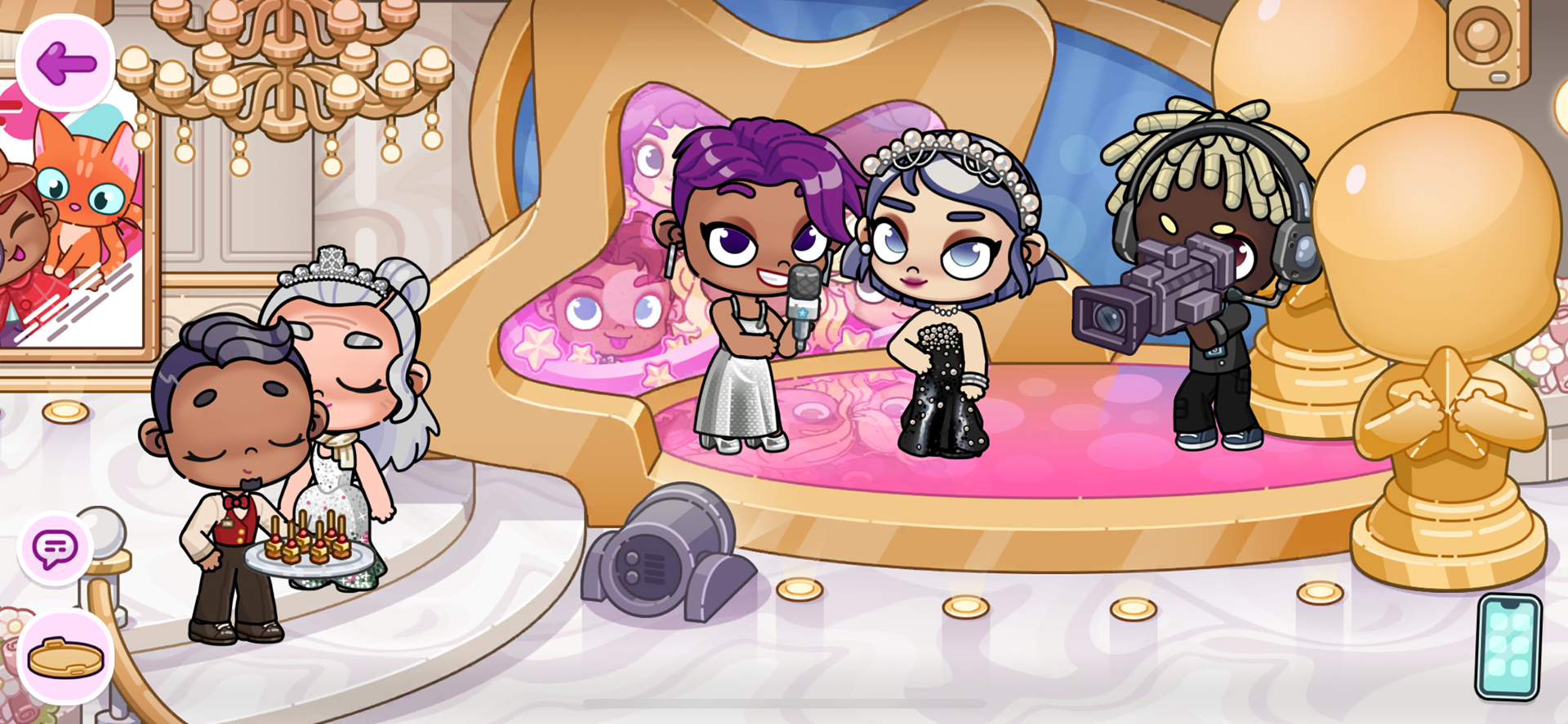
To shape a cohesive and scalable visual identity for Avatar World, I developed a set of aesthetic principles that guided key decisions across characters, environments and levels:
• A rounded, soft shape language that touches kawaii influences without belonging to any specific genre
• High-detail density that feels lively and packed but has it's internal logic and harmony
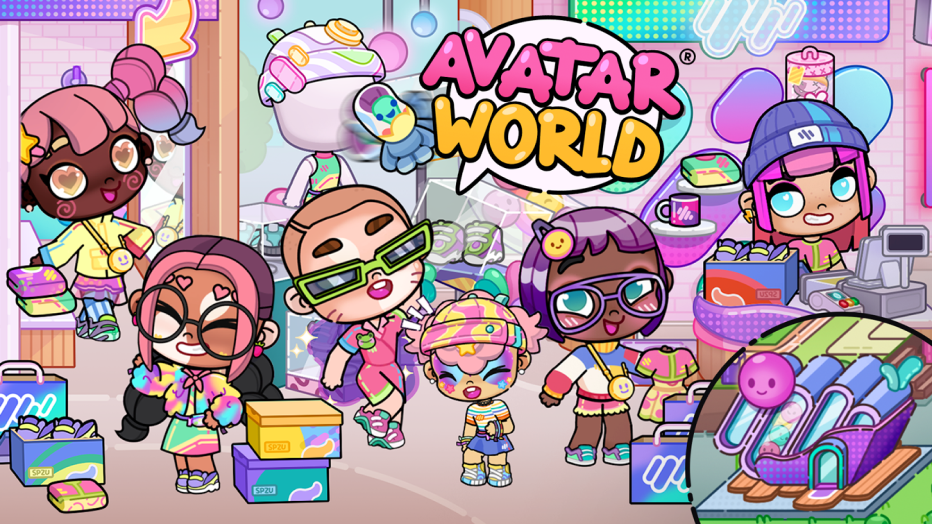
• An intentional alignment with contemporary kids’ trends and global pop culture, offering relevance while balancing timelessness with classic themes and motifs
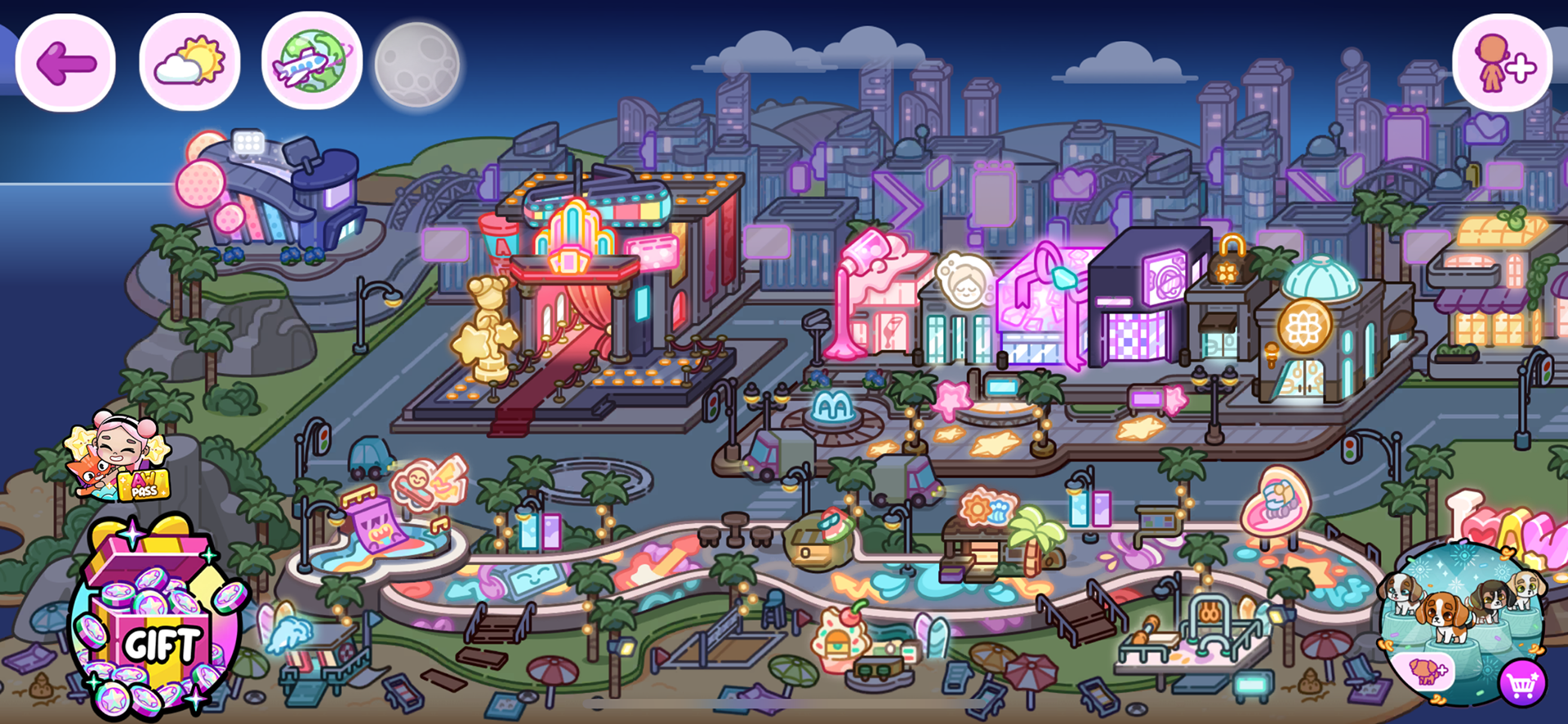
• A layered color philosophy built on distinct palettes for each level and screen, maintaining internal harmony and also cohesive integration across the entire world
• A blend of everyday realism and familirity with a subtle cuteness filter of life
• A continuous emphasis on warmth, softness and emotional approachability
These foundational principles became the visual signature of Avatar World
2
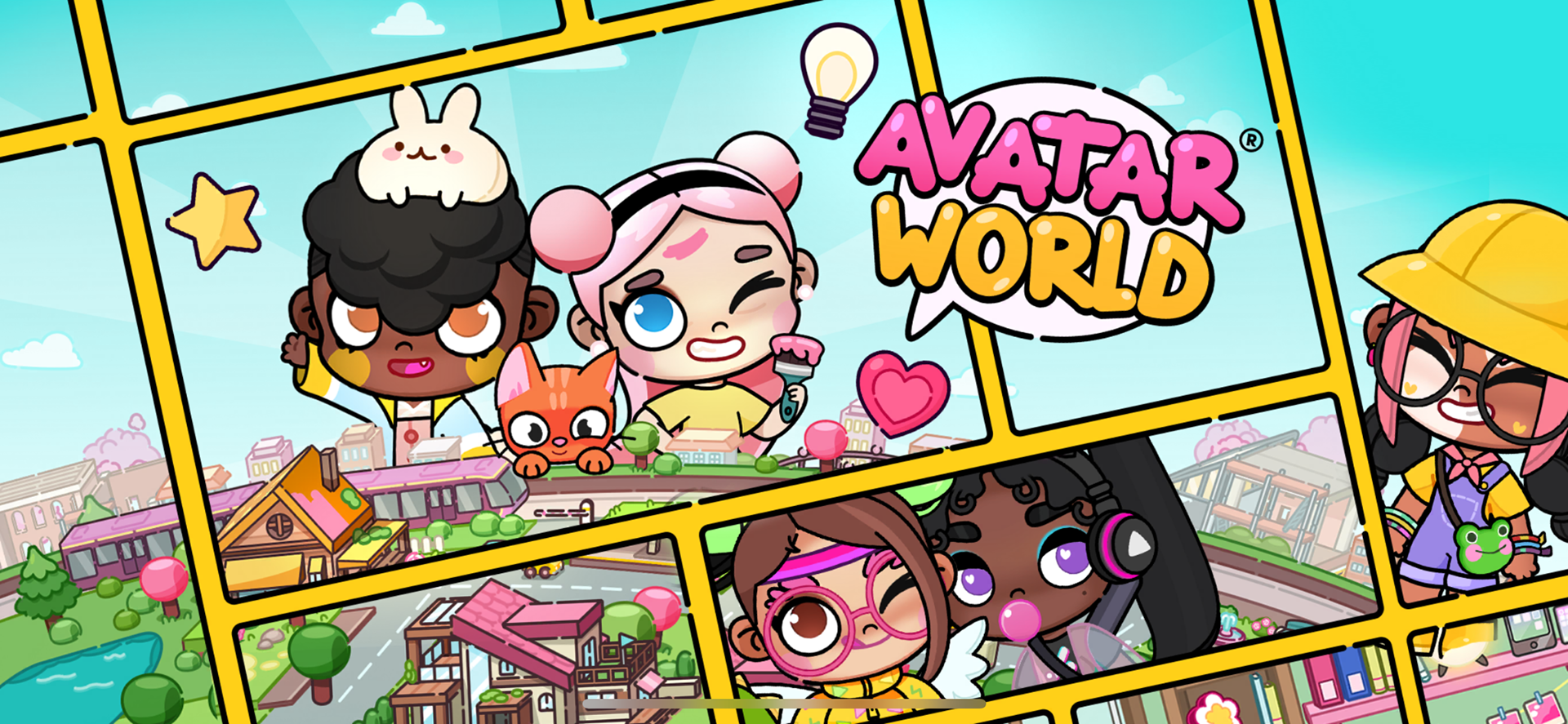
Character Design and System: Expressive, Modular, Lovable
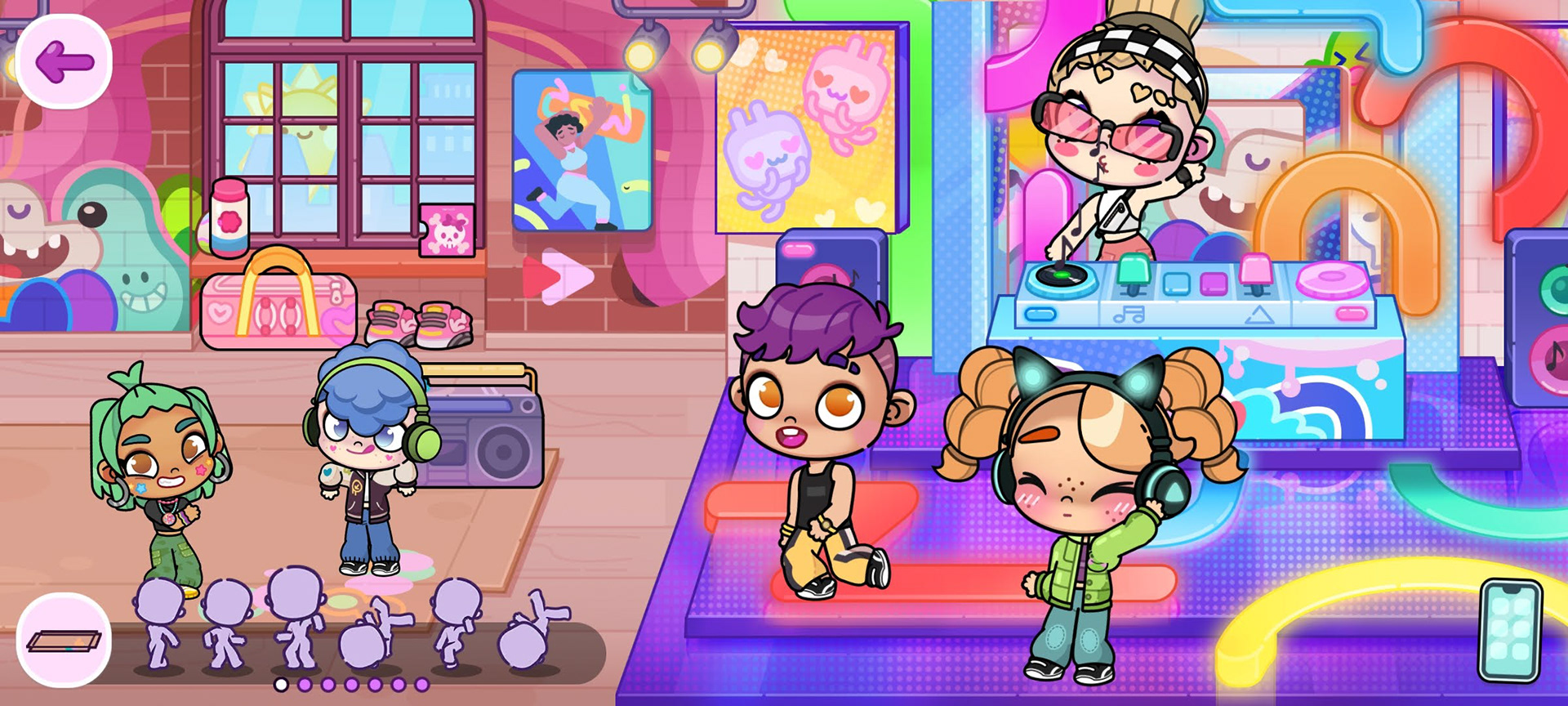
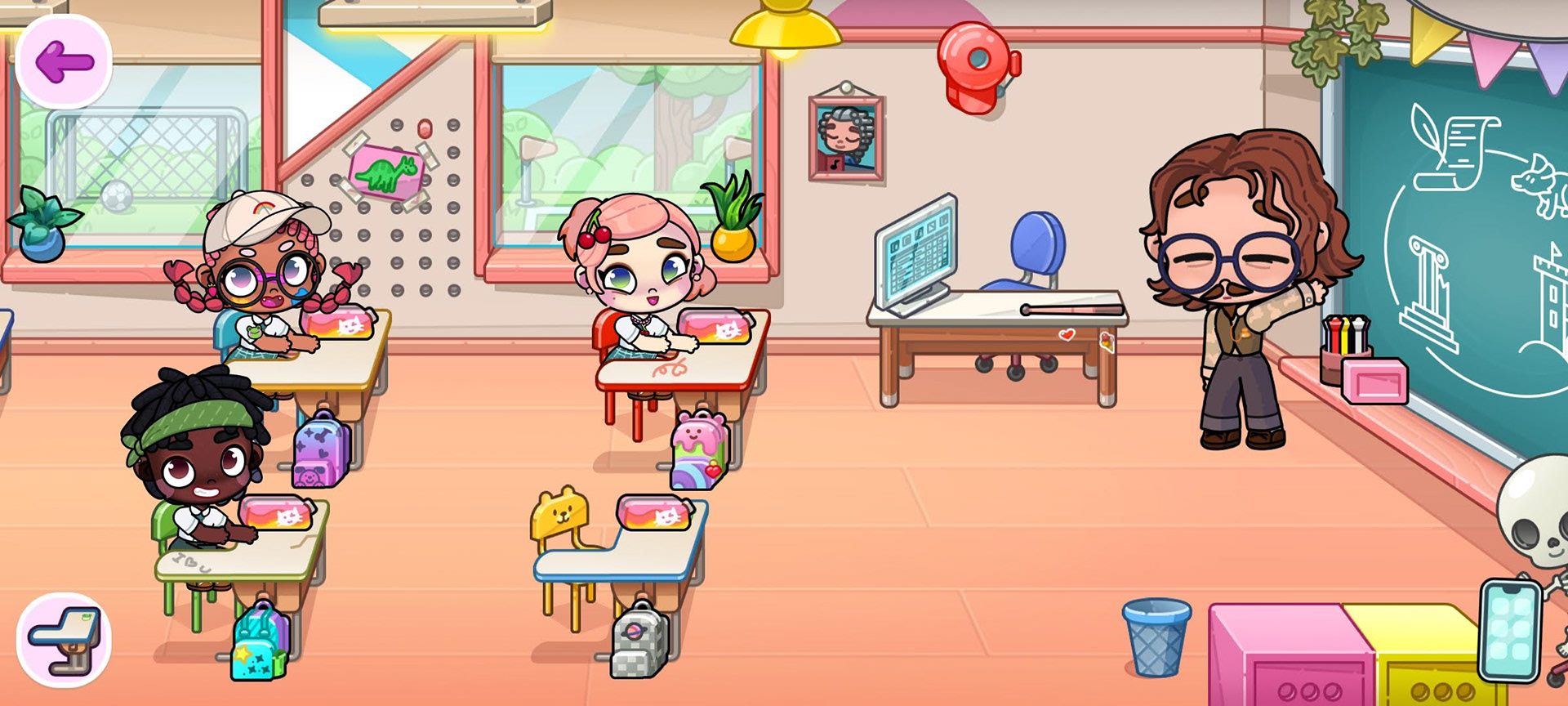
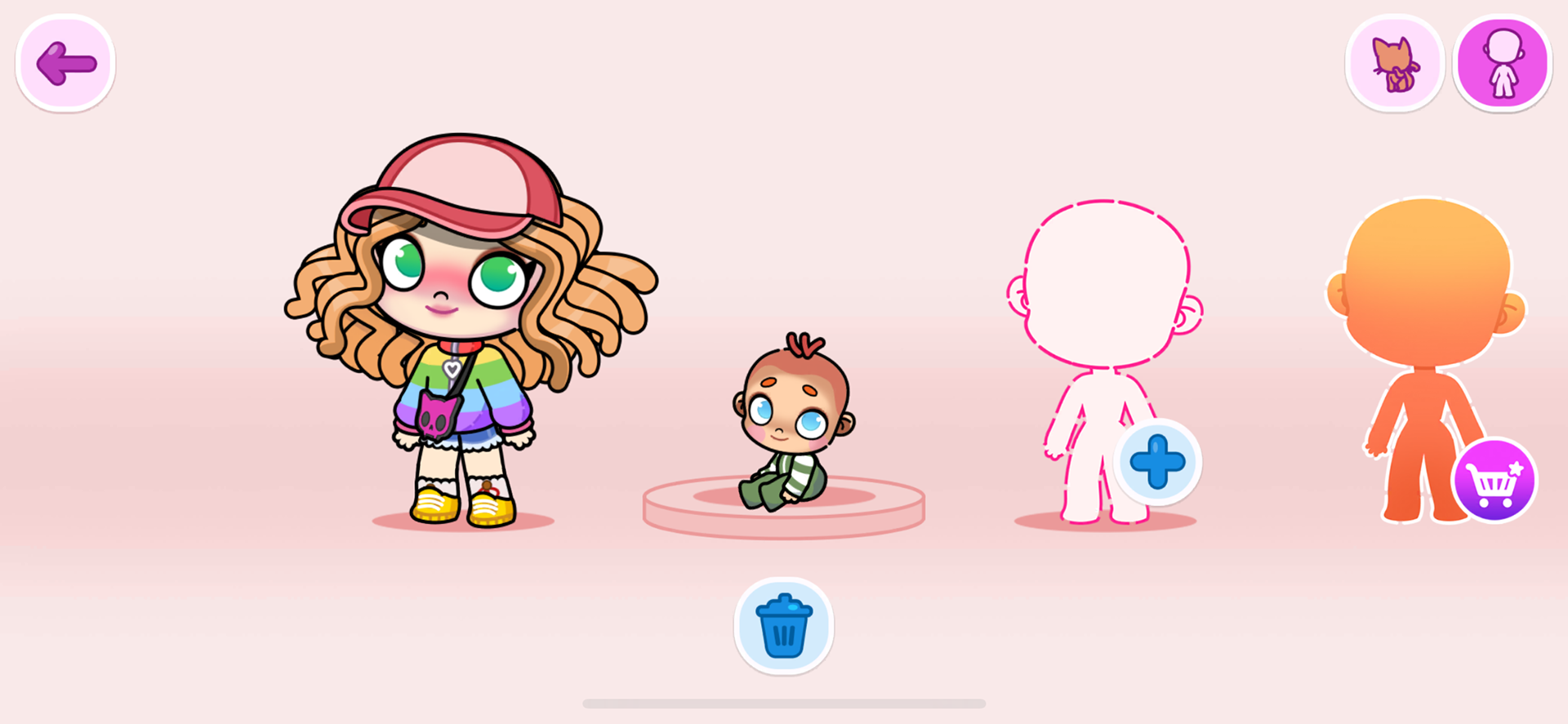
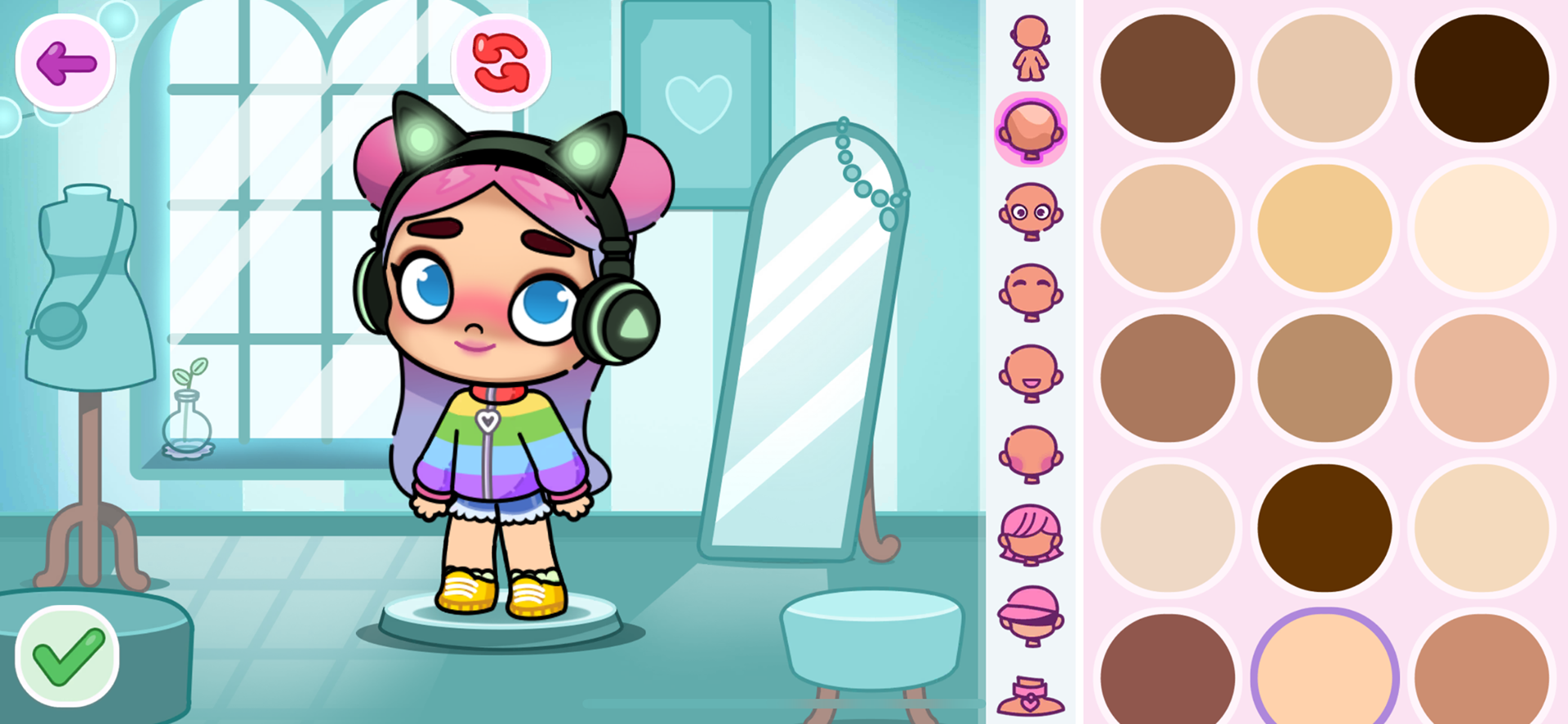
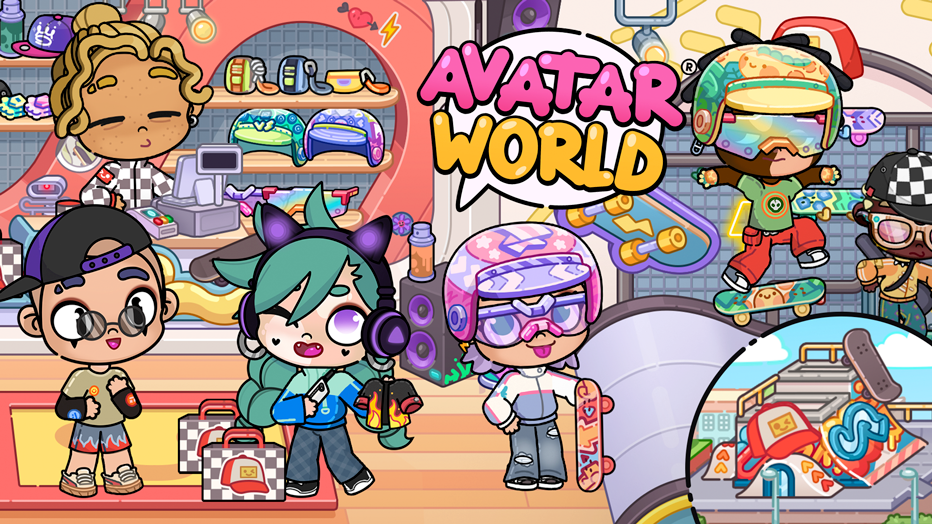
I designed the characters to balance cuteness, clarity and deep modularity - essential in a game where customization is a central player motivation.
Key principles included:
• A subtle ¾ pose providing volume and readability while preserving the charm of a 2D character
• The pose is tailored for customization with large readable surface areas for outfits and interchangeable assets
• A strong foundation for animation, maintaining silhouette clarity and outfit readability across walking, gestures and expressive motions
• A rounded, curved shape language supporting variation and silluette expresion without losing the core DNA
• A layered system of facial features, hairstyles and skin tones enabling broad inclusiveness and representation•
• The system enables deep modularity, allowing thousands of combinations without stylistic drift
This system created a character that is instantly lovable, instantly readable and endlessly customizable - the emotional and visual heart of Avatar World.
3
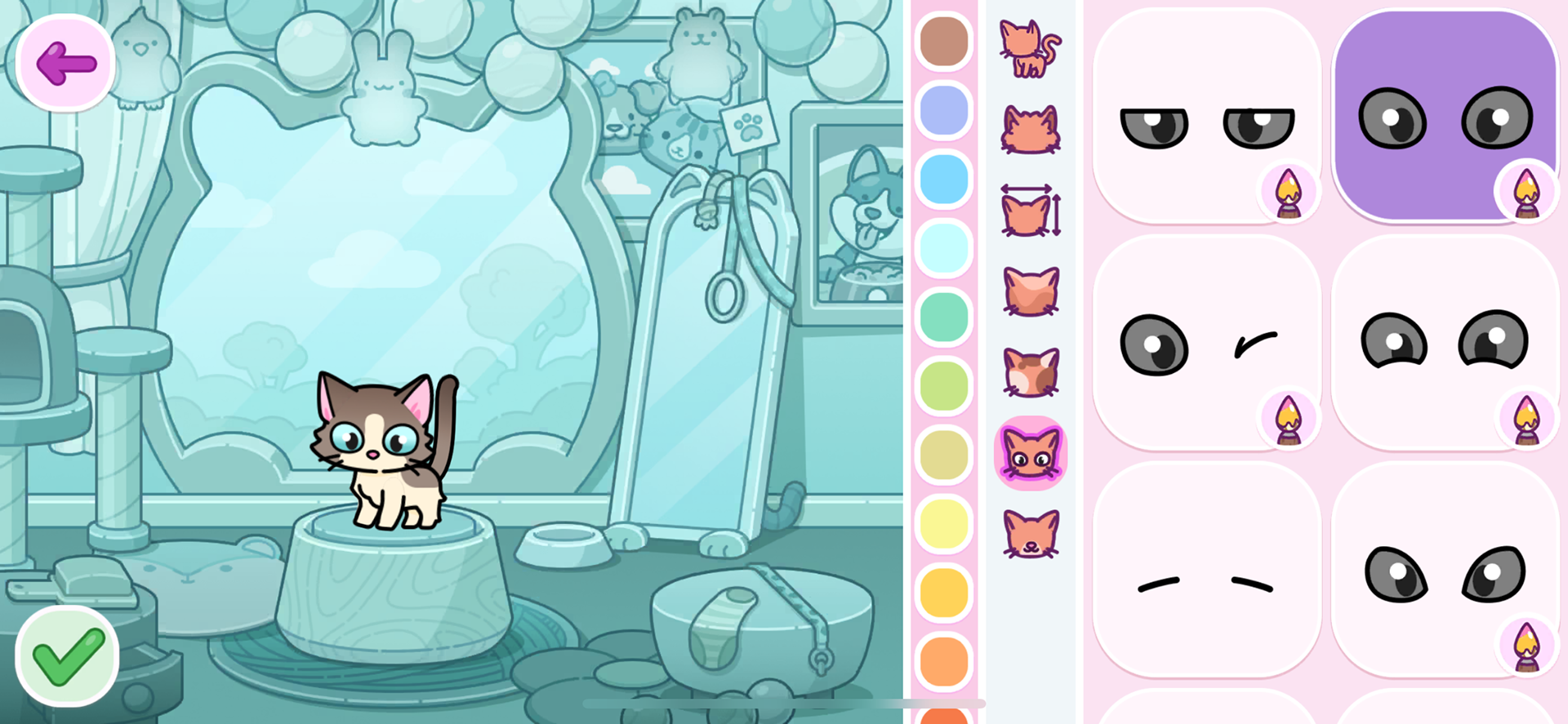
A Scalable Spatial and Visual System for a Mobile World
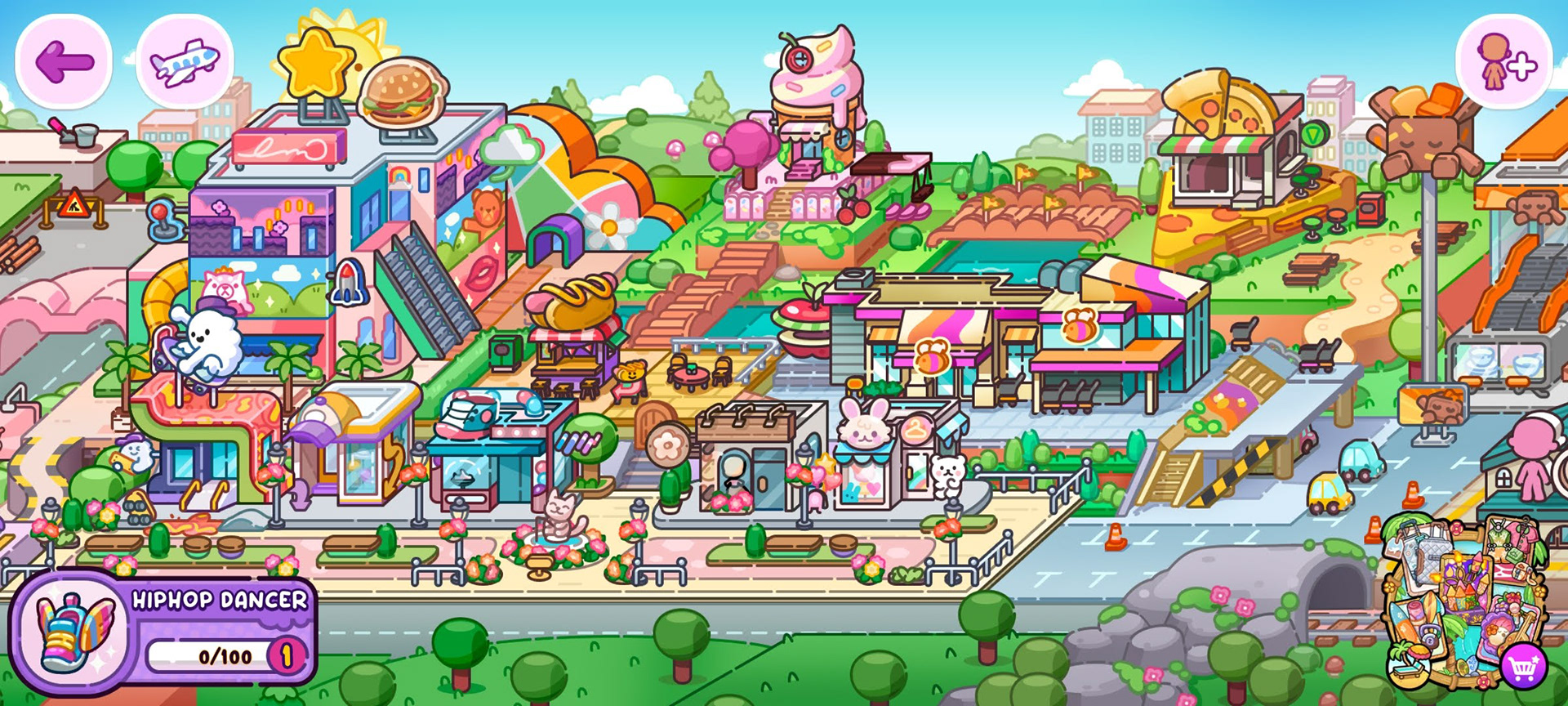
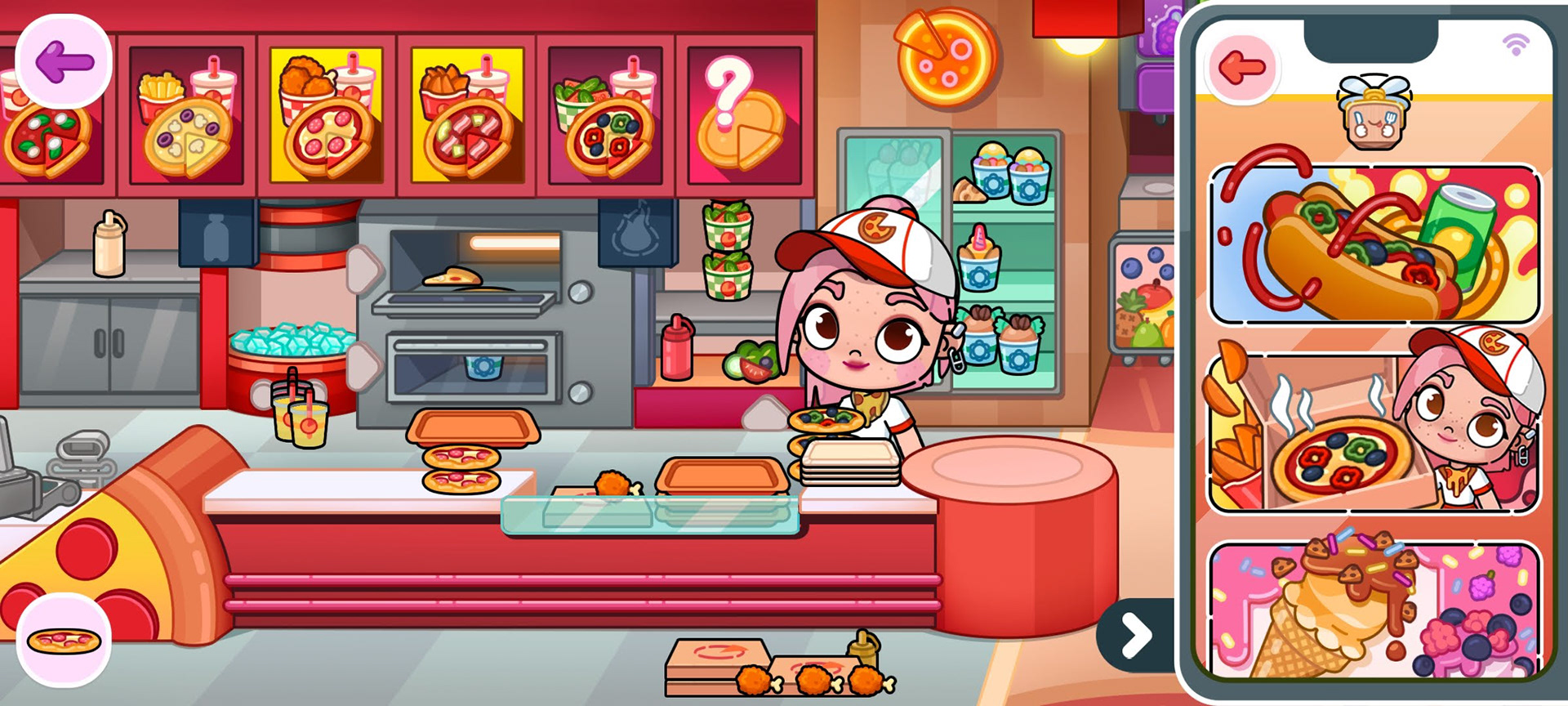
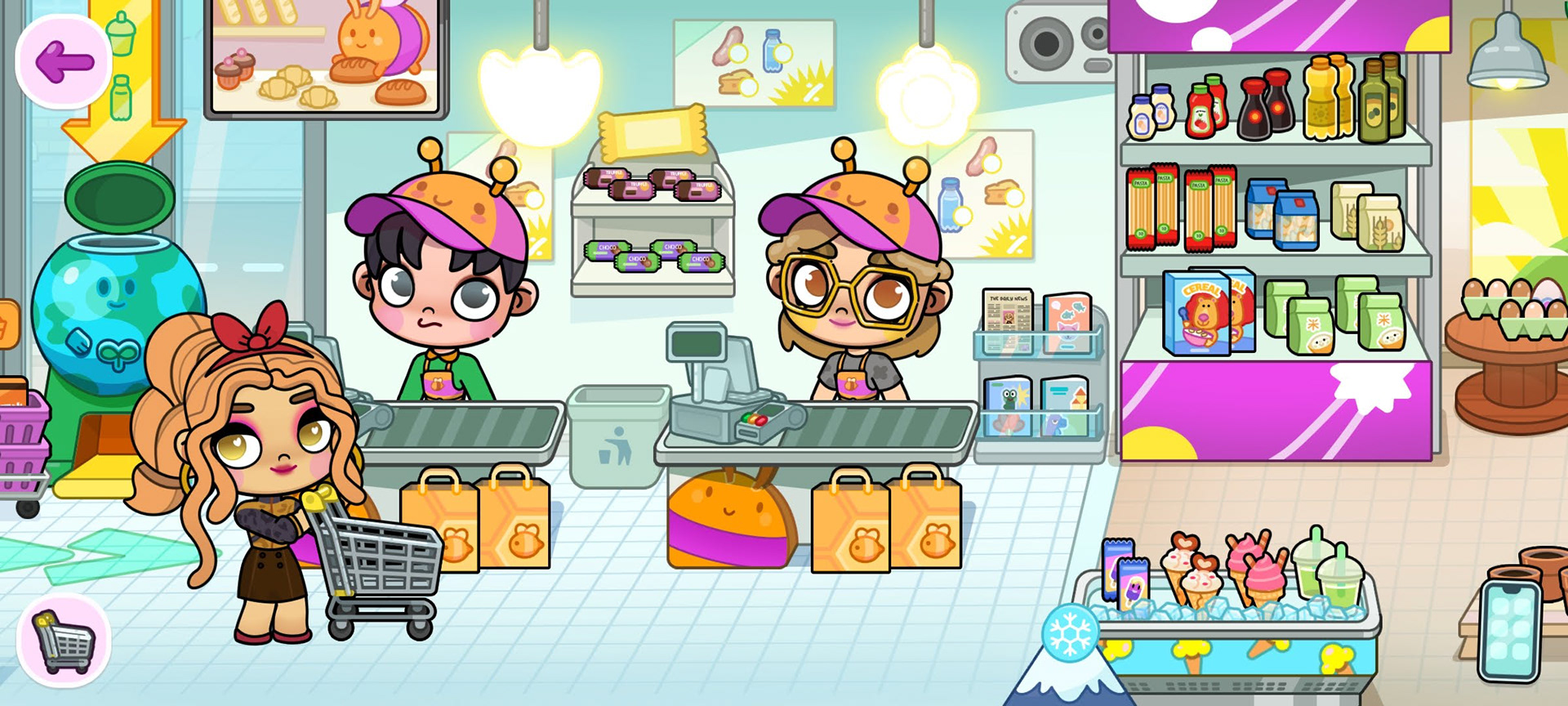
Designing for a horizontally scrolling mobile canvas required a system-level approach. I developed a modular spatial framework in which perspective logic and rendering language work as one - enabling depth, clarity, and intuitive navigation through a cohesive 2.5D approach to both spatial structure and visual expression.
Key principles included:• Unified perspective logic
A consistent camera height, horizon, and depth layering defined how environments, objects, and characters are placed across all levels.
A consistent camera height, horizon, and depth layering defined how environments, objects, and characters are placed across all levels.
• Modular spatial structure
A clear rule-set allowed environments to expand and recombine while preserving visual cohesion and spatial readability at scale.
A clear rule-set allowed environments to expand and recombine while preserving visual cohesion and spatial readability at scale.
• 2.5D illusion of space
A controlled illusion of depth and openness designed specifically for a horizontally scrolling frame, balancing flat readability with spatial richness.
A controlled illusion of depth and openness designed specifically for a horizontally scrolling frame, balancing flat readability with spatial richness.
• Hybrid rendering approach
A rendering style blending vector clarity with subtle 2.5D highlights, shadows, and material depth - adding richness and dimension while preserving charm and clarity.
A rendering style blending vector clarity with subtle 2.5D highlights, shadows, and material depth - adding richness and dimension while preserving charm and clarity.
• Clear interaction zones
Dedicated spatial zones supporting draggable objects and intuitive play without breaking composition or visual flow.
Dedicated spatial zones supporting draggable objects and intuitive play without breaking composition or visual flow.
• Visual guidance and flow
Rules for contrast, scale, and overlap guide the eye and reinforce narrative flow within dense scenes.
Rules for contrast, scale, and overlap guide the eye and reinforce narrative flow within dense scenes.
• Iterative system evolution
A collaborative, ongoing process in which multiple teams continuously refined spatial rules and visual guidelines, allowing the system to adapt, mature, and scale without losing coherence.
This spatial system anchored the visual logic of the entire world, enabling dozens of levels to grow consistently while remaining expressive, playful and easy to navigate.
4
World and Level Composition: Crafting Emotionally Driven Play Spaces
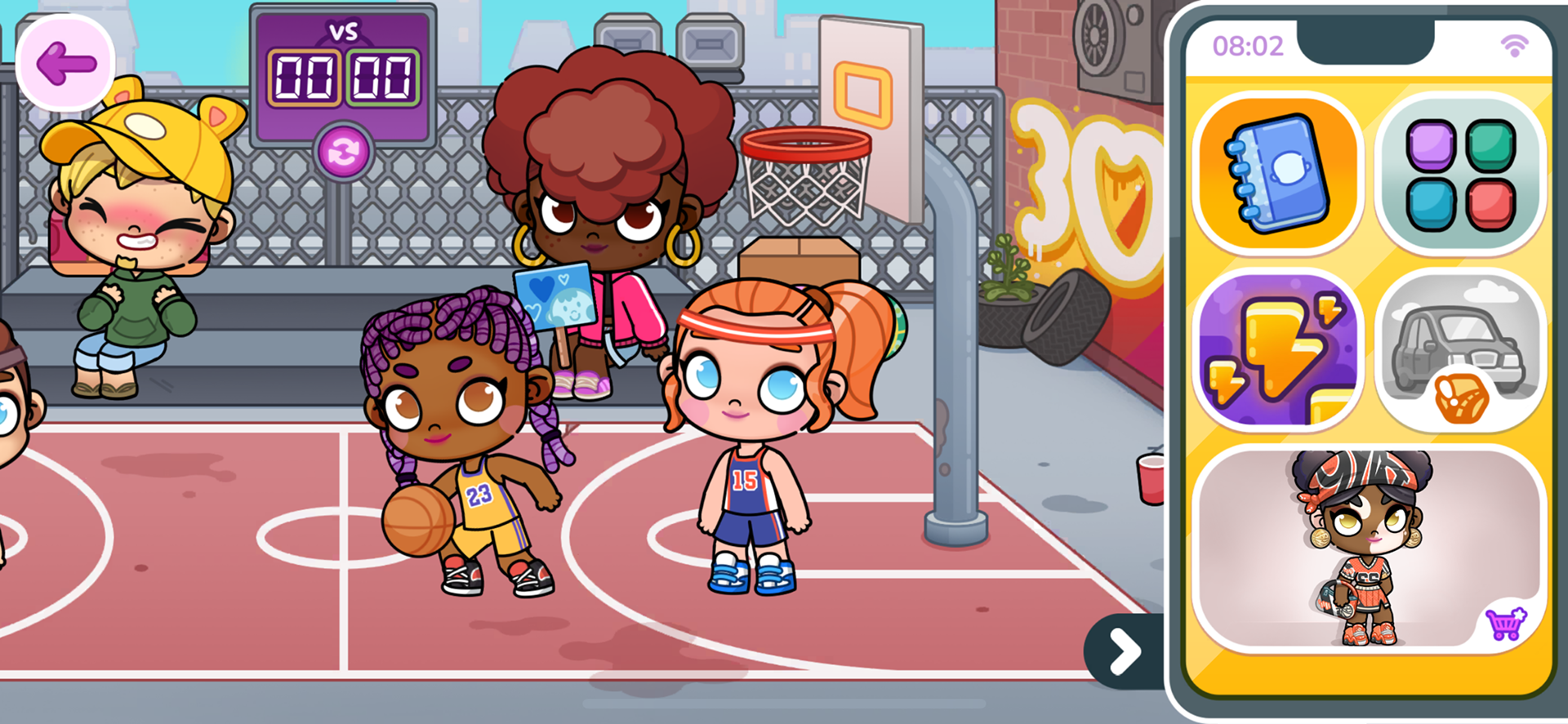
I approached each level as its own micro-identity within the broader art system, ensuring both variety and cohesion:
• Distinct motif and shape families that give each level its own micro-language and identity, almost like a mini-brand within the world
• Color hierarchies that support intuitive navigation and emotional tone
• Dynamic compositions balancing dense detail with open breathing zones
• Guided visual flow using compositional contrast, rhythm and vertical-horizontal balance - supporting intuitive exploration within a horizontally scrolled mobile frame
• Gameplay-oriented visual decisions defining clear activity zones and supporting game-design intent through spatial clarity and readable composition
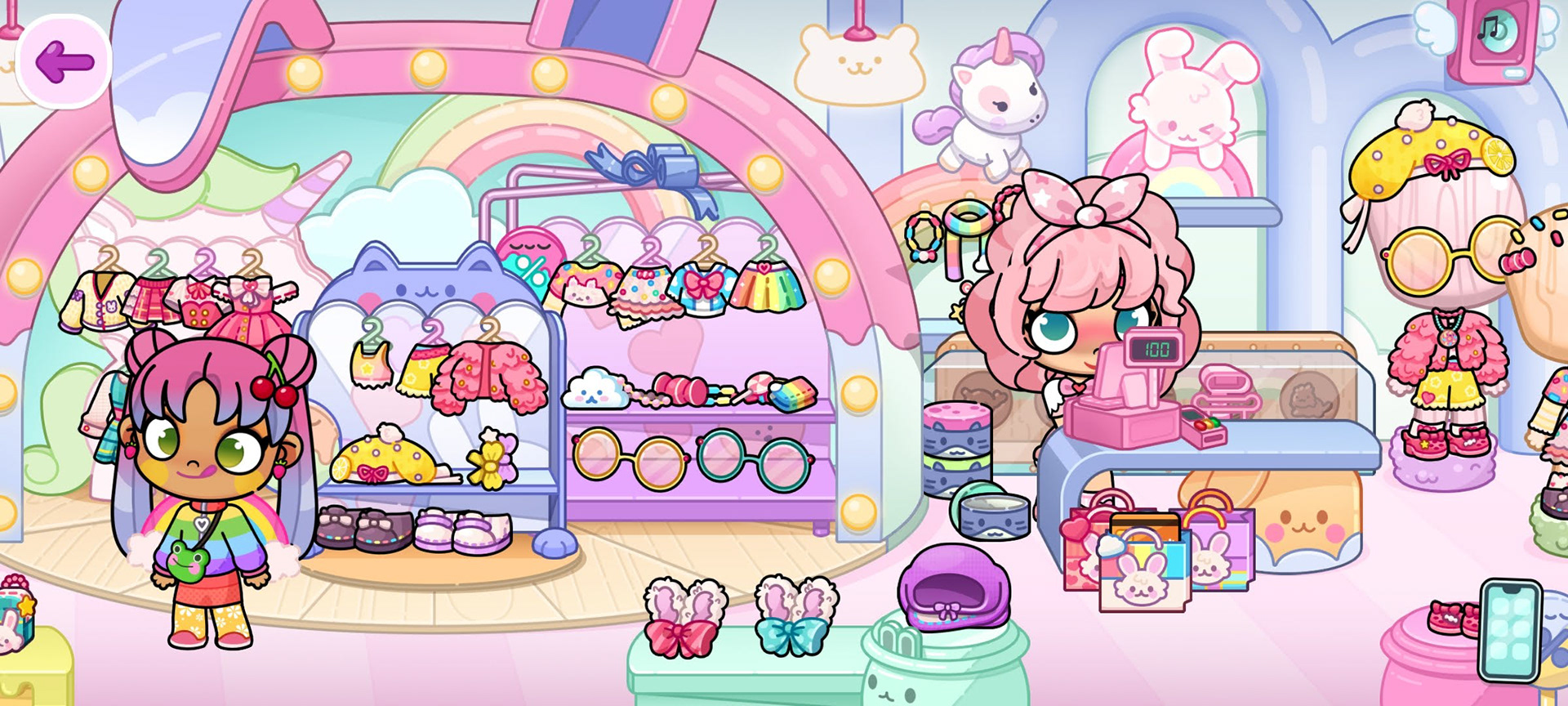
• A meticulous, detail-oriented craft approach applied to all environments and props - with thoughtful material treatment, refined rendering and attention even to the smallest items
This approach ensured that each environment felt inviting, story-ready and emotionally resonant, while still belonging unmistakably to the same universe.
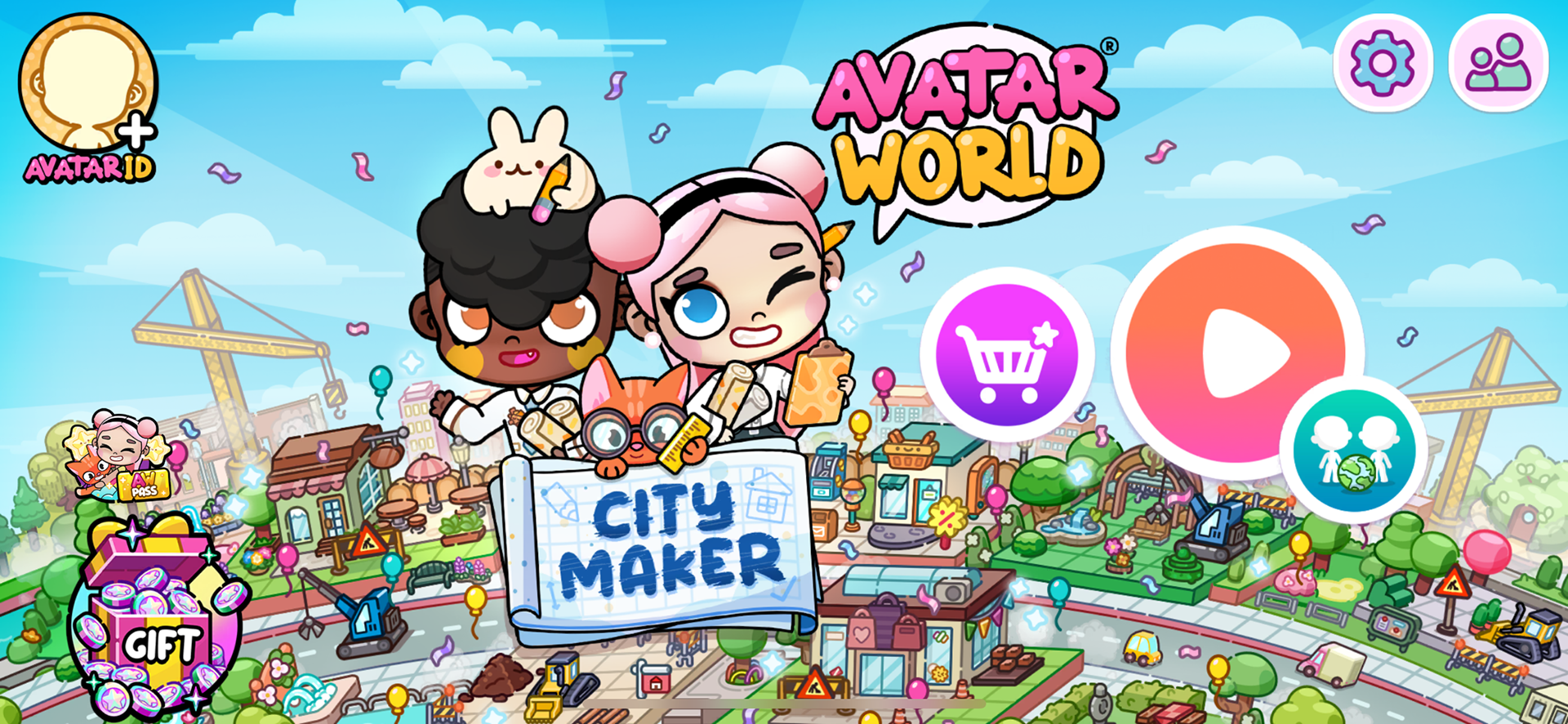
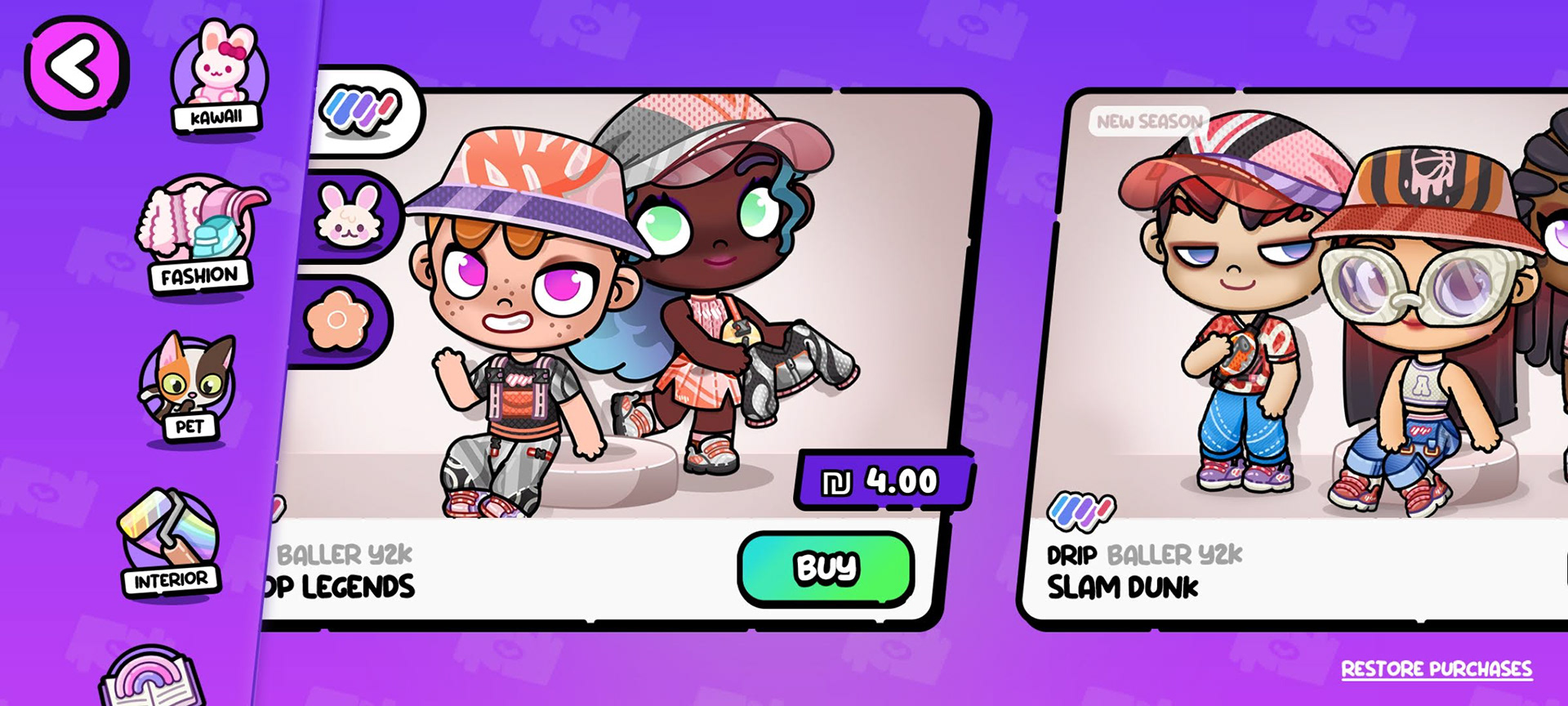
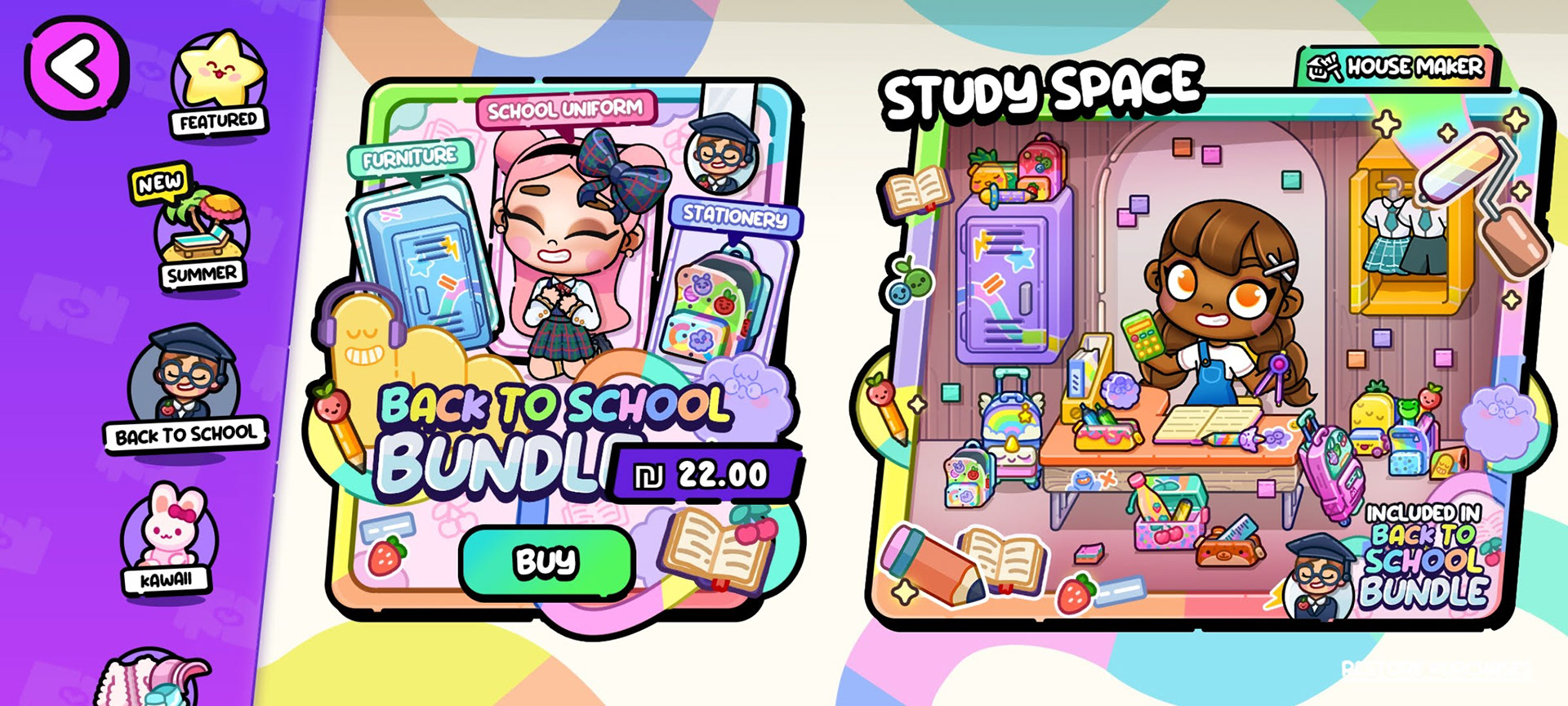
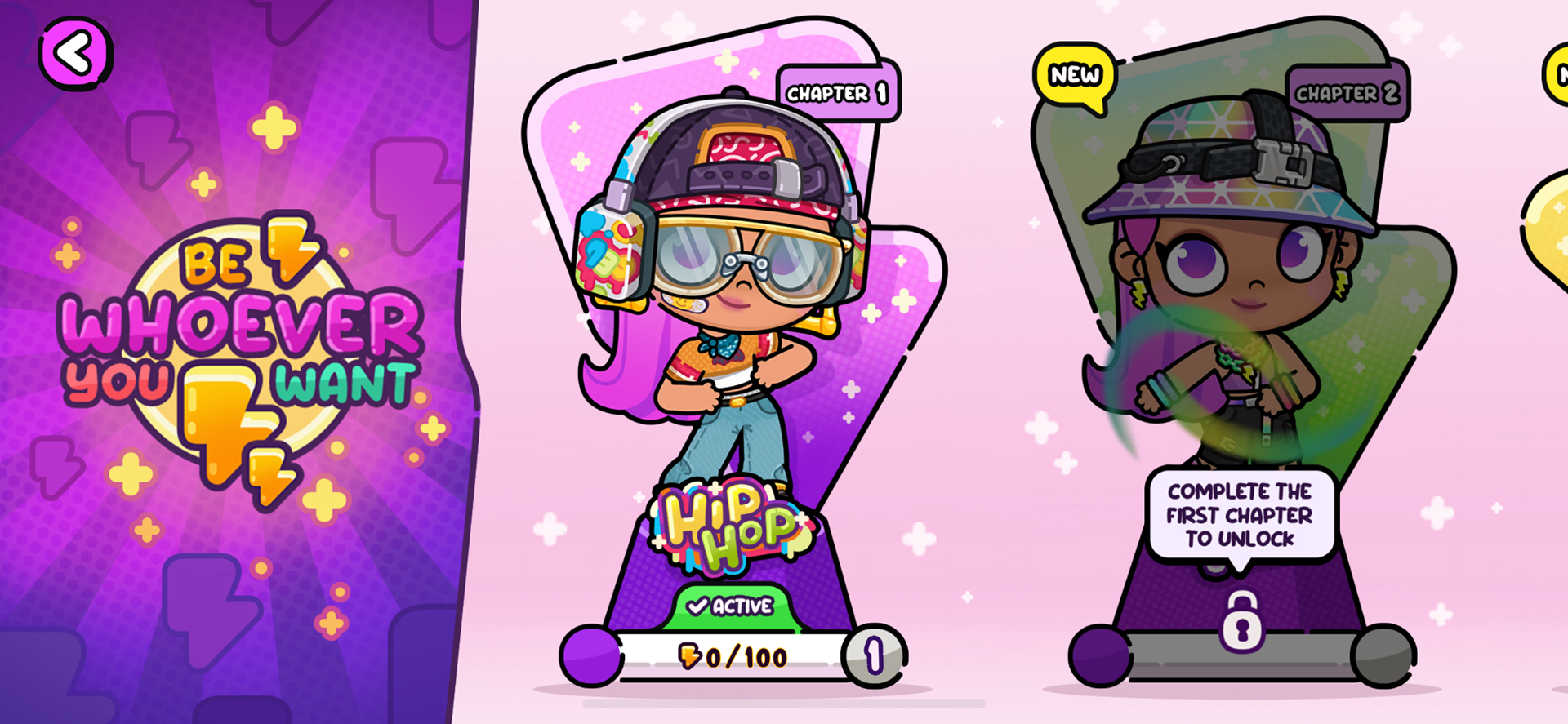
UI DESIGN
5. Creative Scaling Systems: Team Alignment, Guidelines and Production Cohesion
As the world expanded and the team grew, I developed scalable creative frameworks to preserve cohesion across parallel production streams:
• Shape and color frameworks standardizing visual decisions
• Perspective and spatial guidelines embedded into daily workflows
• Creative QA processes to prevent stylistic drift
• Onboarding playbooks helping new artists quickly integrate into the visual DNA
• Collaborative review cycles maintaining consistency while respecting individual artistic voices
These systems enabled a growing team to deliver large volumes of content at high quality, while preserving the integrity of the visual identity.
ENVIORMENT
6. Future-Proofing the IP: Designing for Long-Term Expansion
I built the visual DNA with intentional flexibility, ensuring the IP could grow far beyond the initial game:
• Expandable theme families evolving into new worlds and categories
• A modular design language supporting recomposition and stylistic extension
• Color and shape systems that scale naturally into new gameplay frameworks
• A visual identity suitable for physical product translation, including toys and merchandise
This mindset positioned Avatar World not only as a game, but as a visual universe with long-term creative potential.
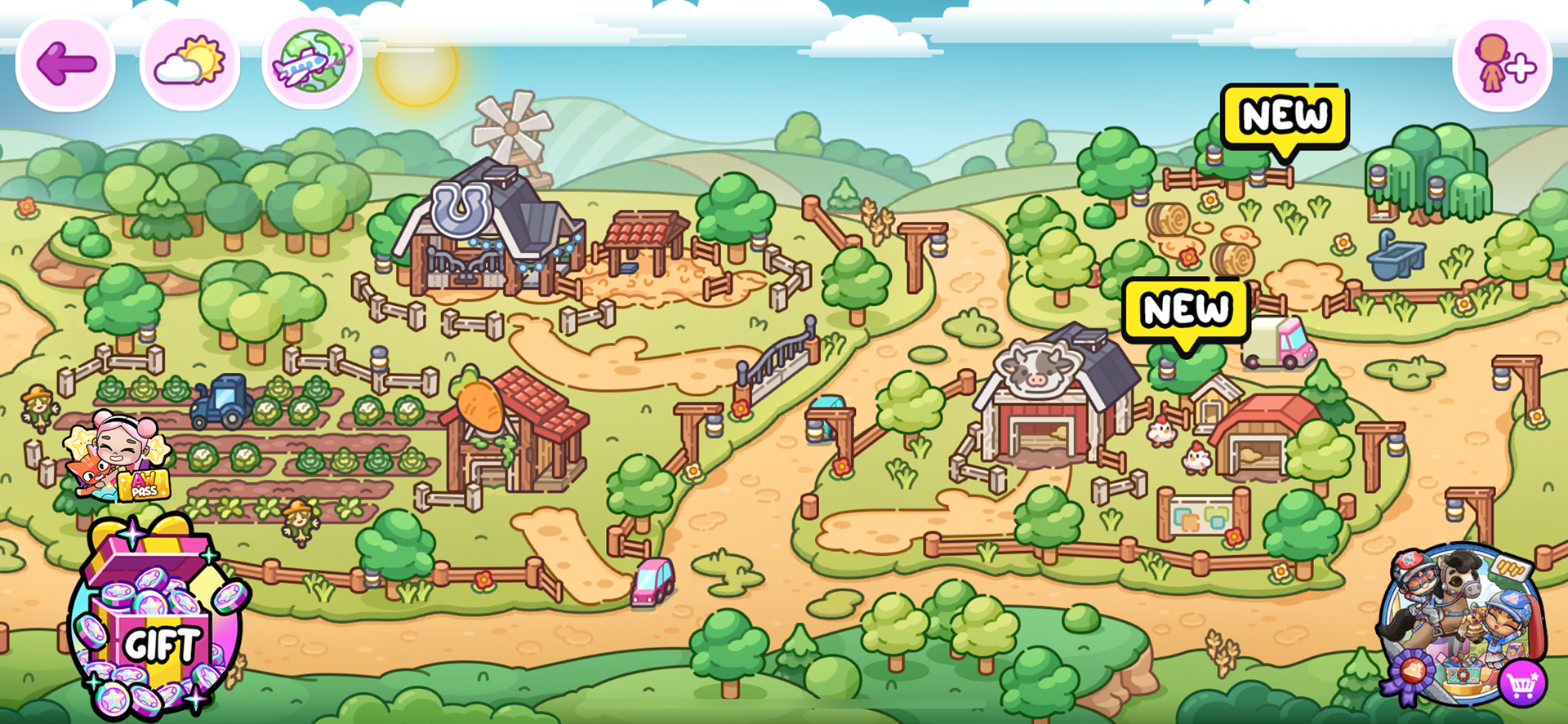
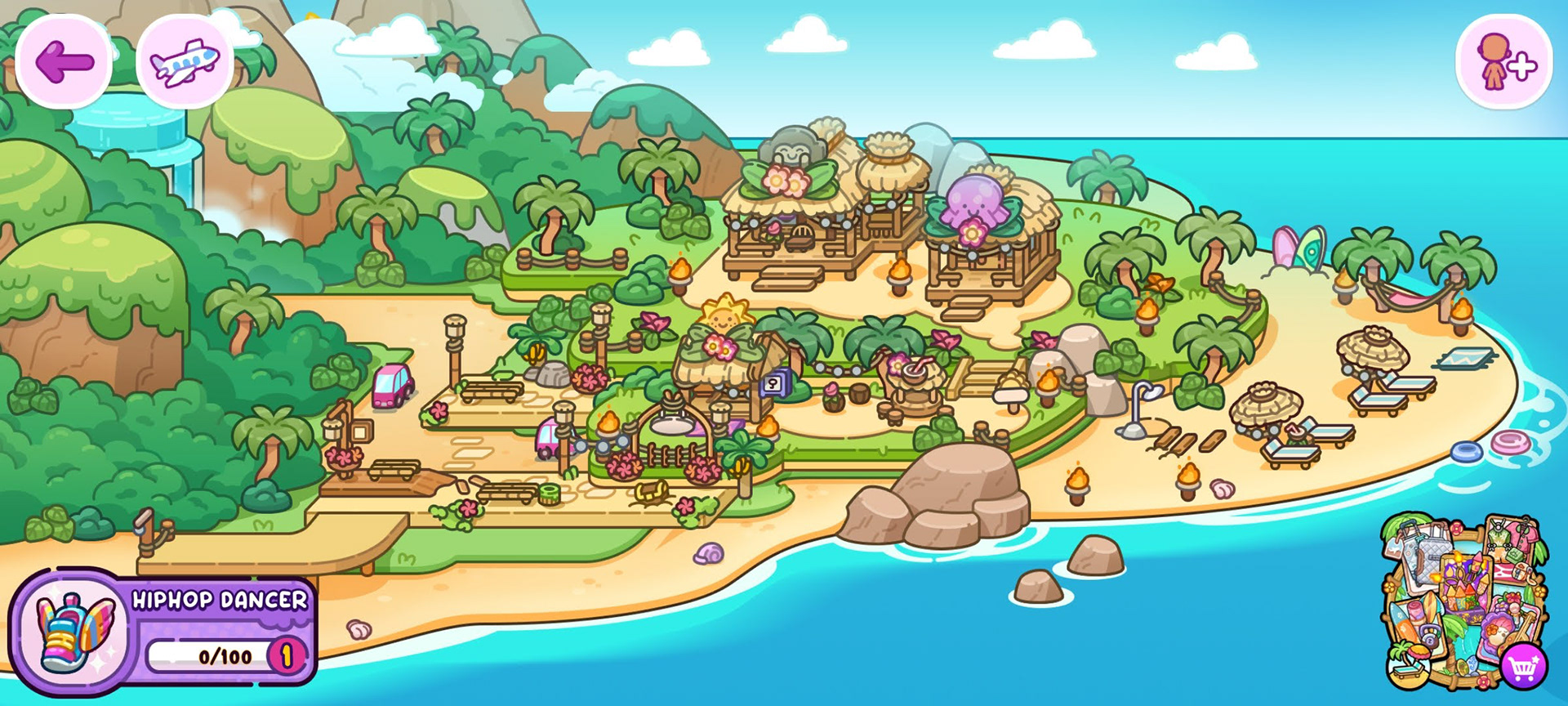
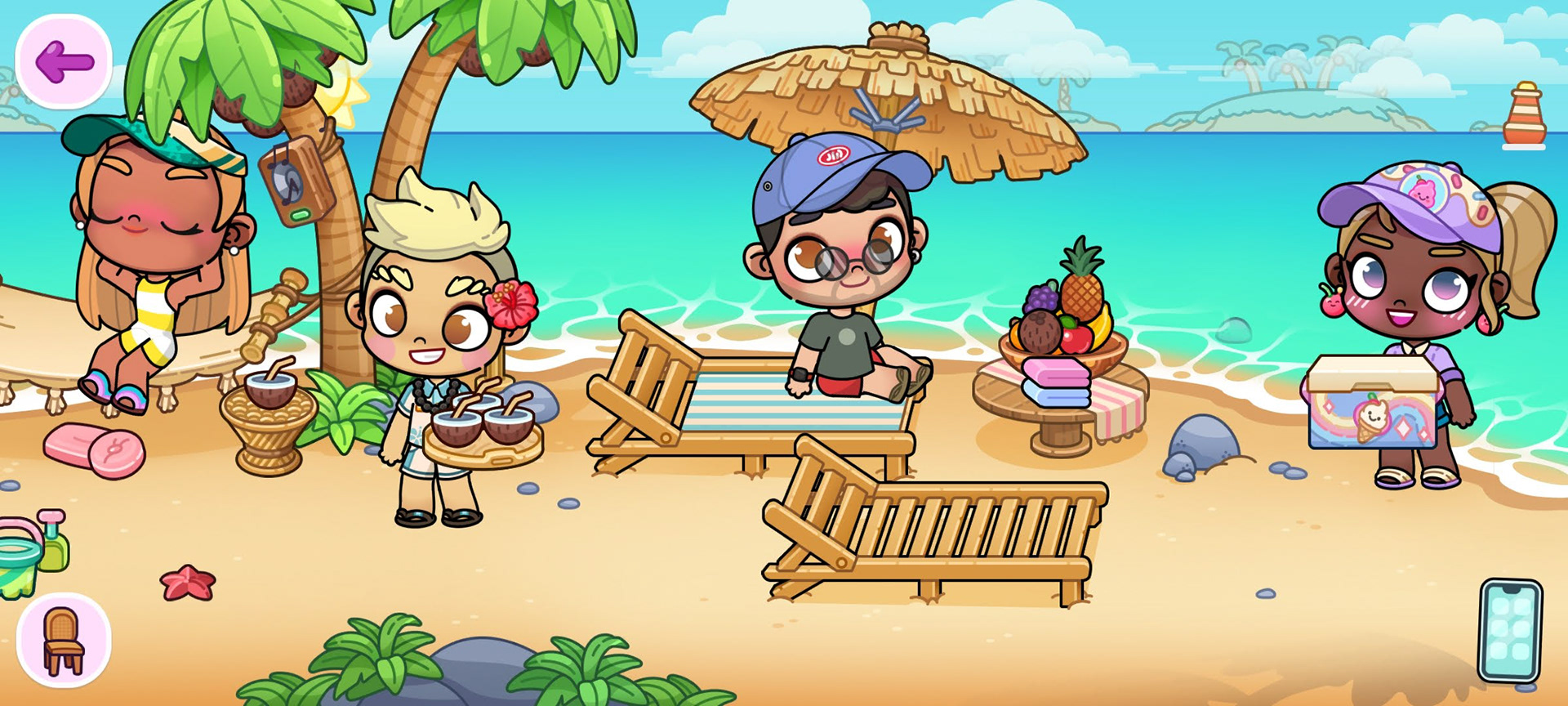
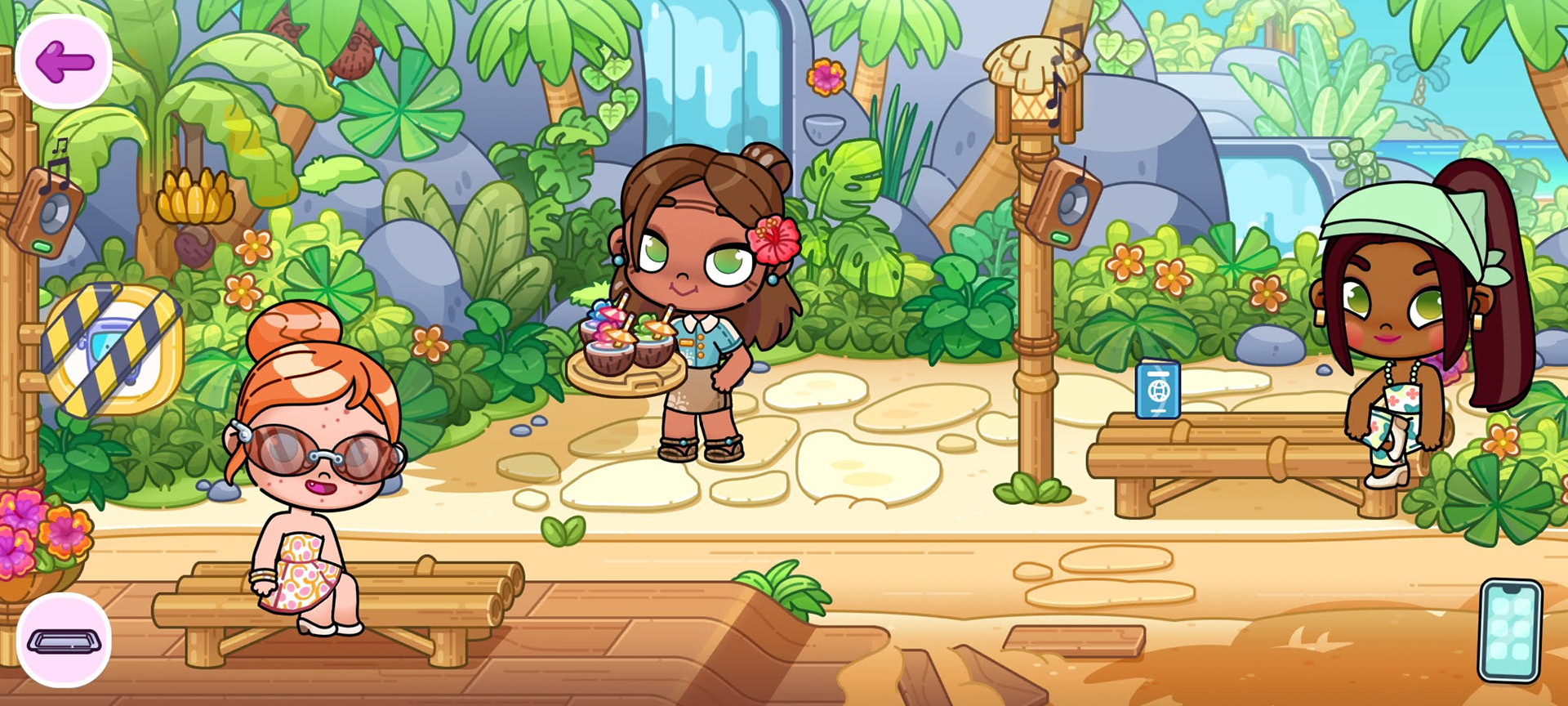
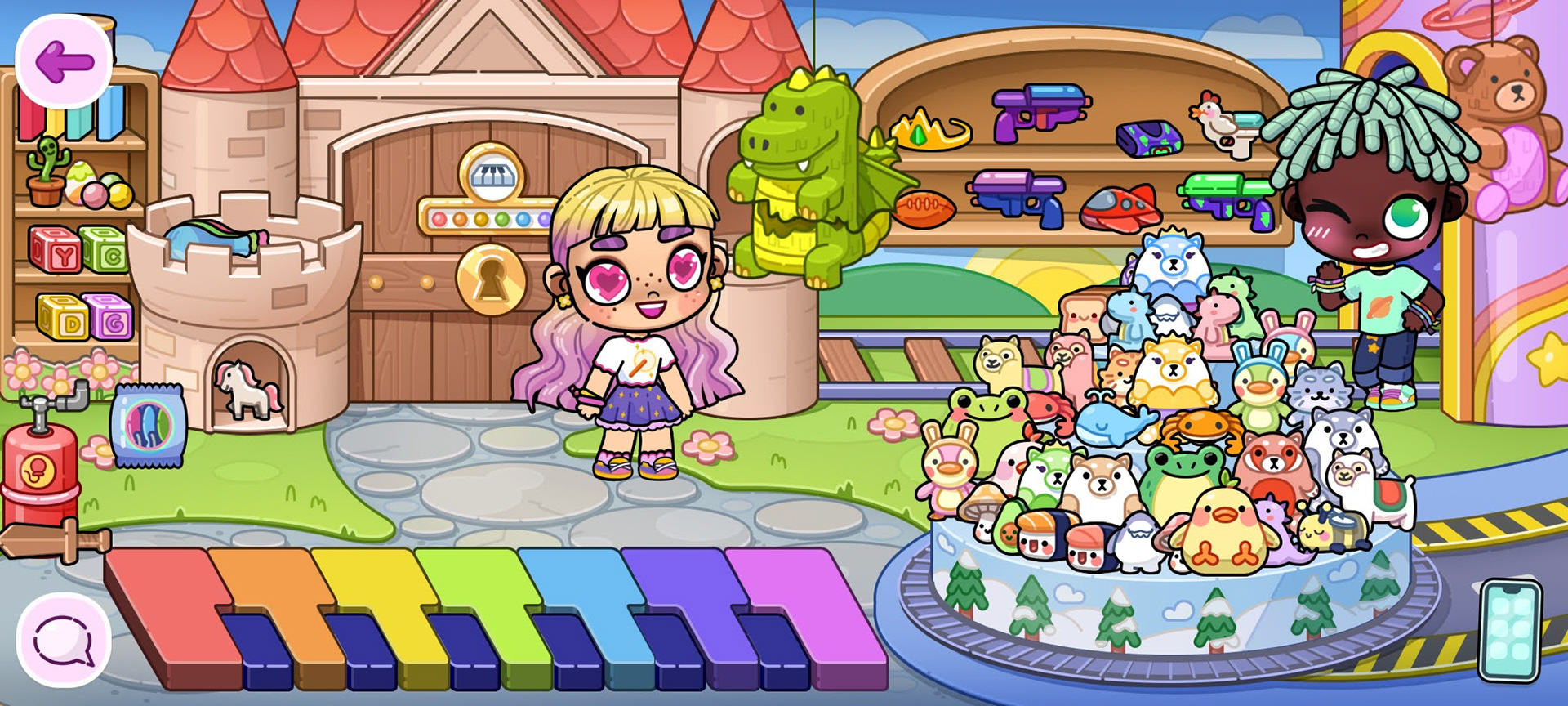
In terms of art style, I aimed to build a visual language that feels 2D yet rich with hints of 3D depth expressed through selective details. The world needed to feel alive within its flatness. Focusing on subtle shadow and lighting effects, along with the addition of brushwork and gradients to create volume across items and backgrounds, made all the difference.
LEVELS
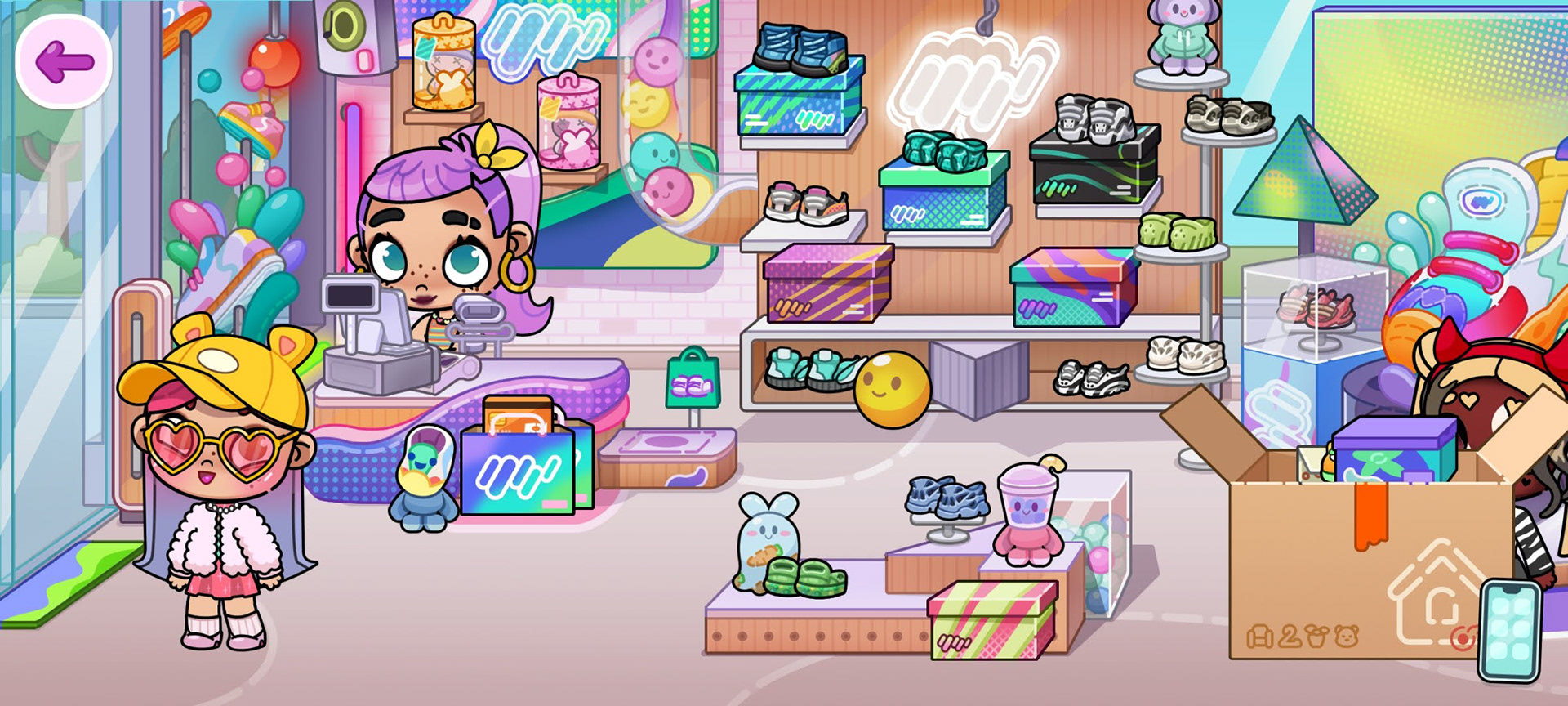
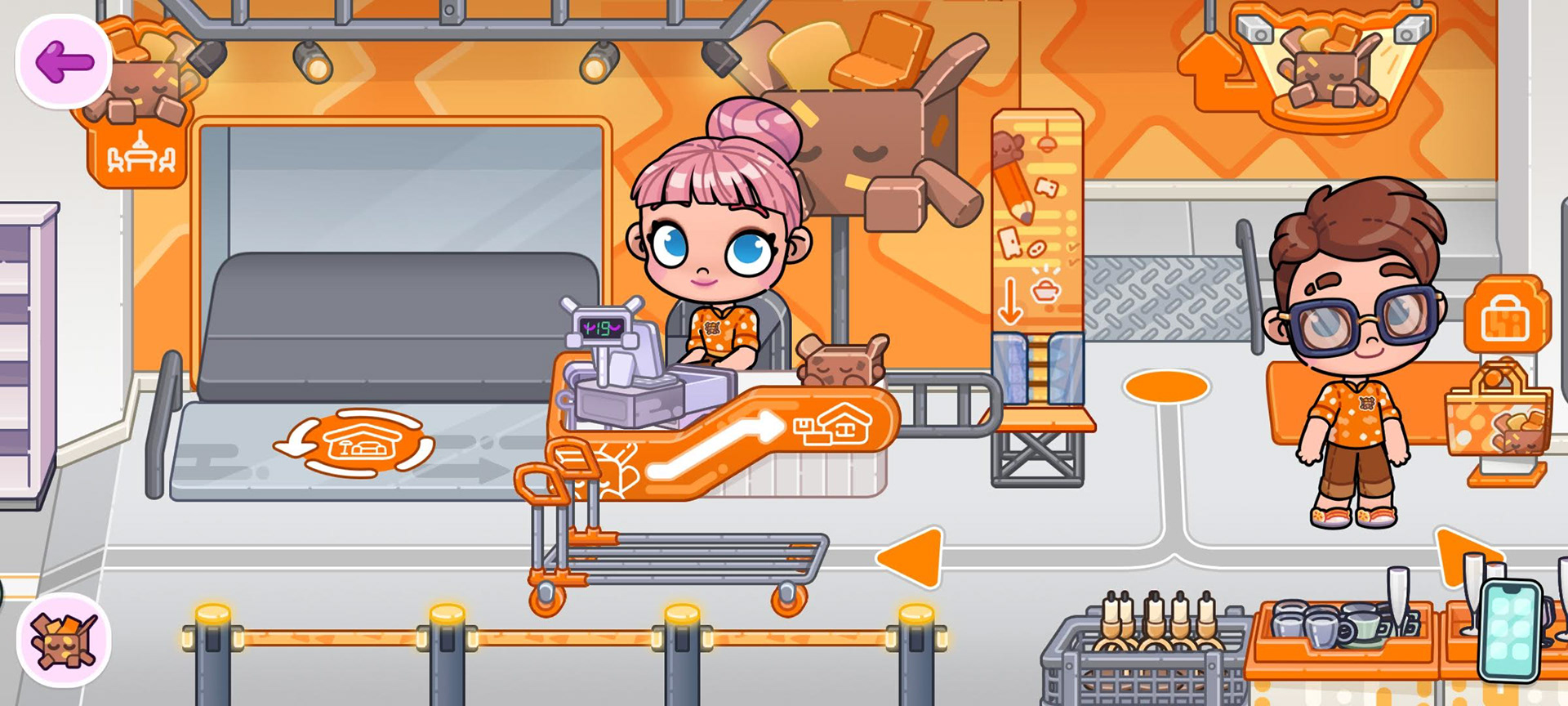
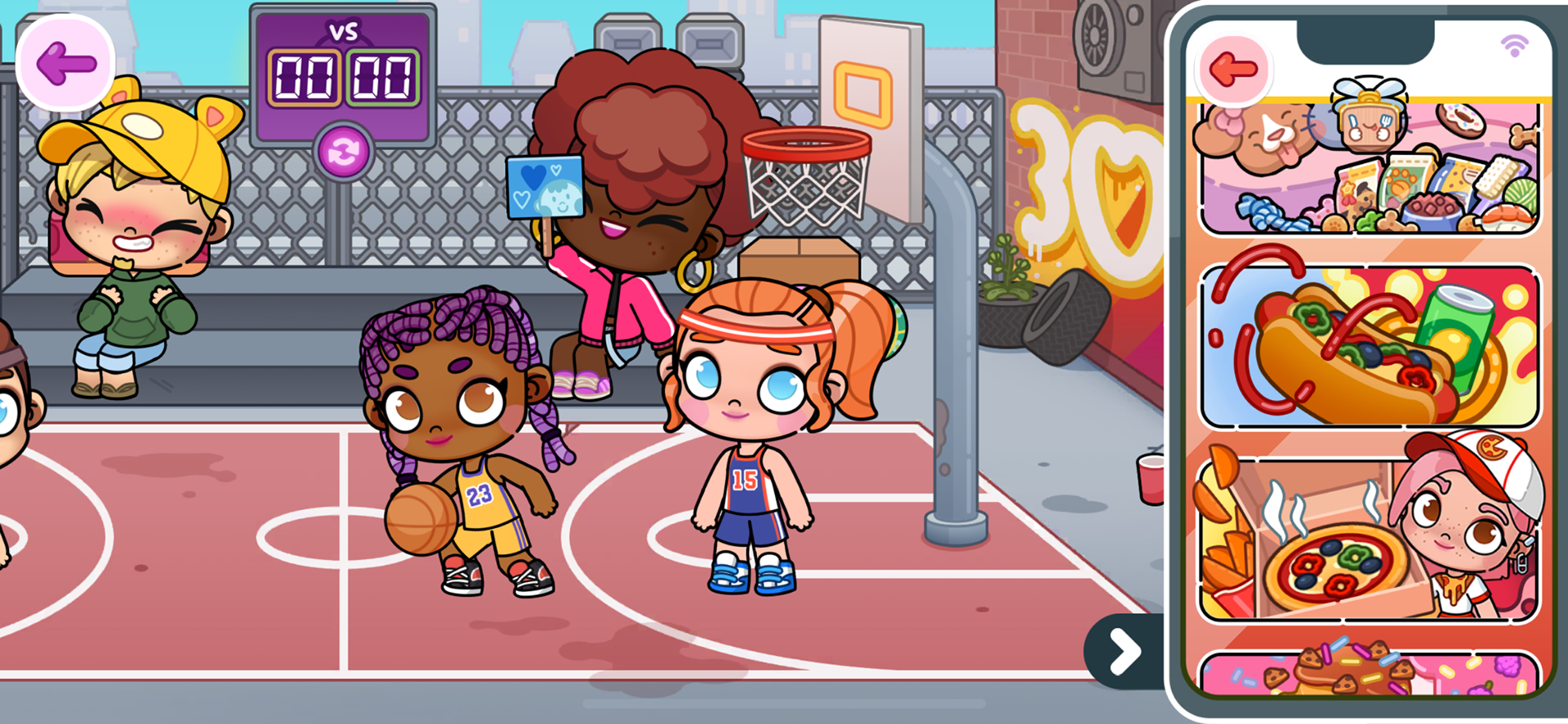
In guiding the art team, I approached each level as its own visual language within the game’s overall art style - defined by distinctive motifs in shape, material, and a color palette that feels varied yet cohesive. Sometimes this means creating a signature icon or presenter character that gives the level its own recognizable identity - almost like a mini brand within the world.
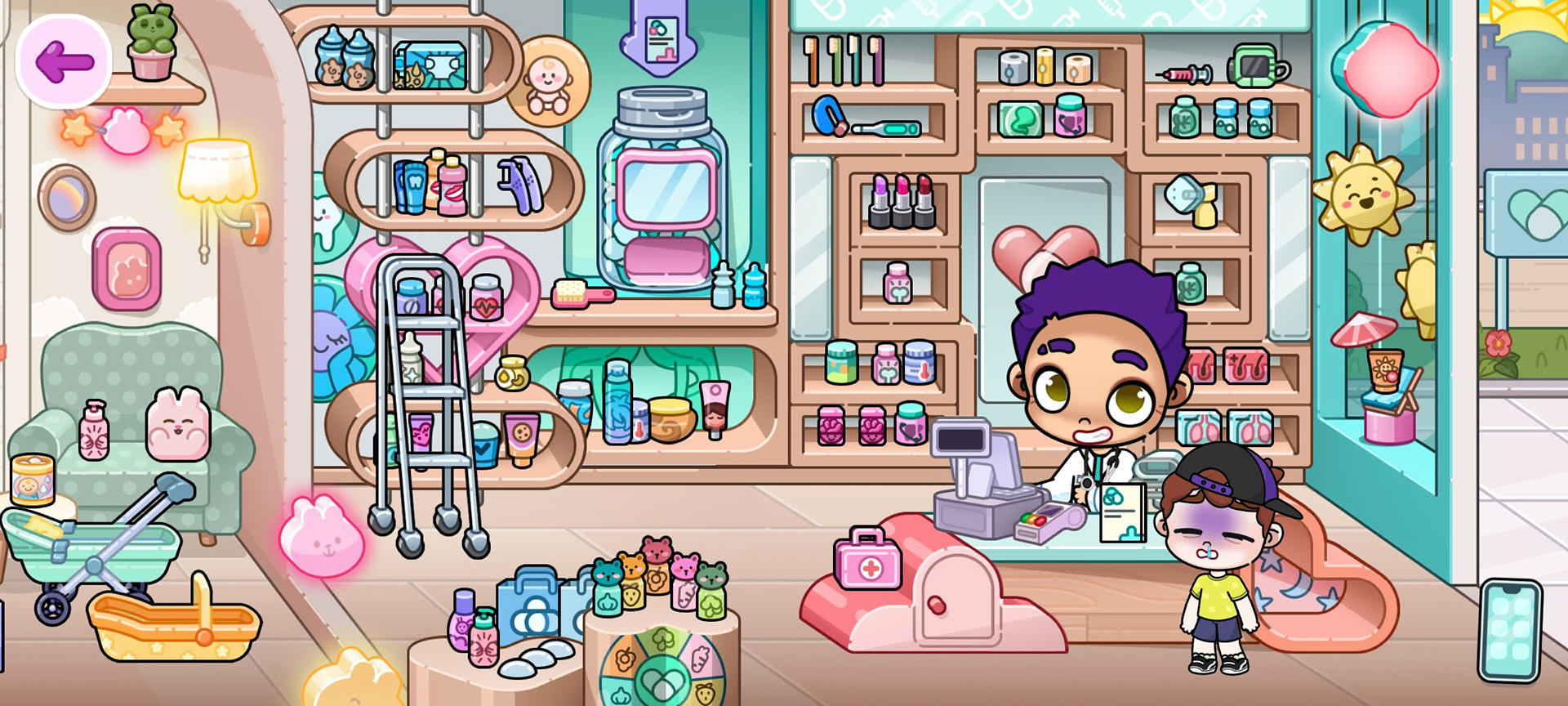
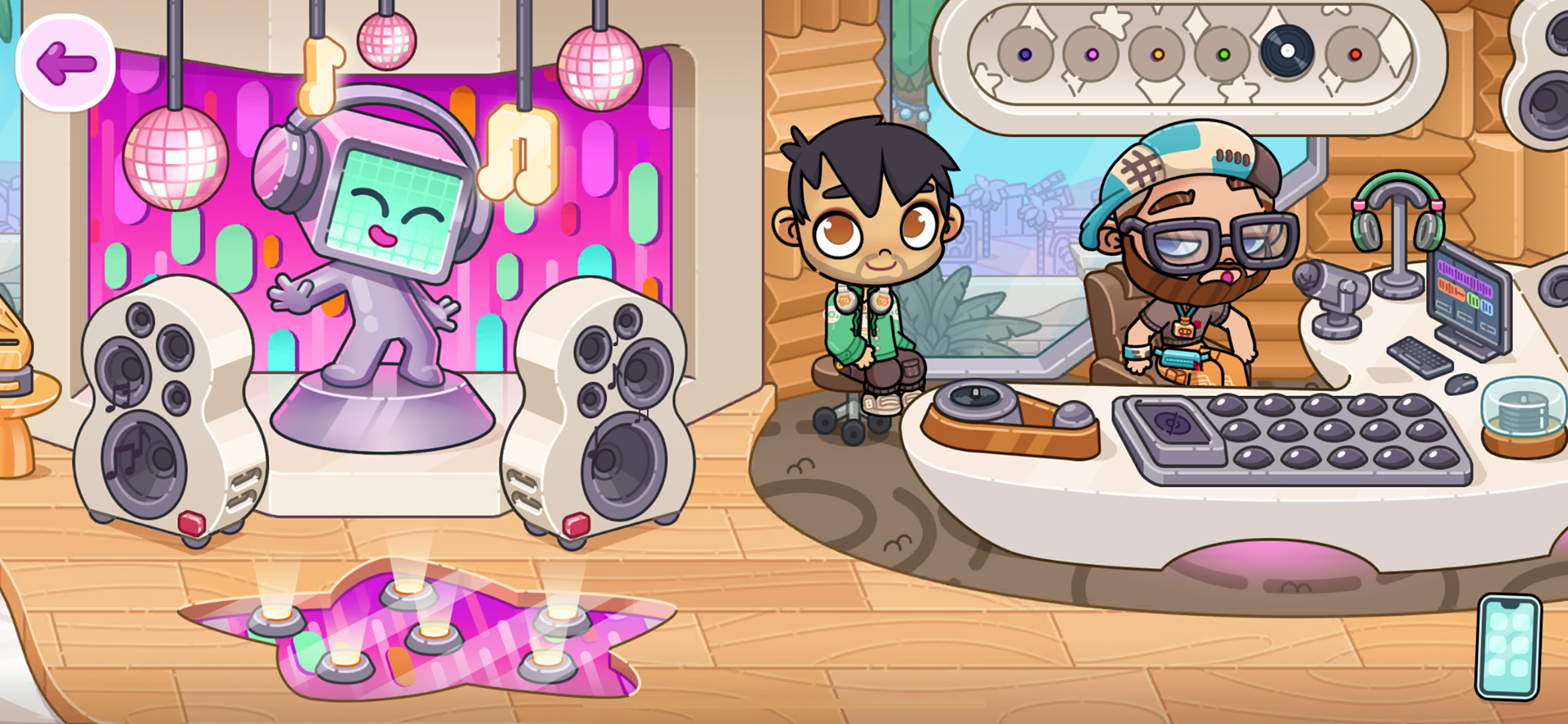
The team worked within a perspective system and grid I developed - a framework that evolved through close collaboration with our environment artists, serving as a constant creative and technical challenge that adapted to our changing design needs.
I personally accompanied the development of each level, helping define its main visual motifs and ensuring an appeal and atmosphere consistent with the game's artistic language and creative message.
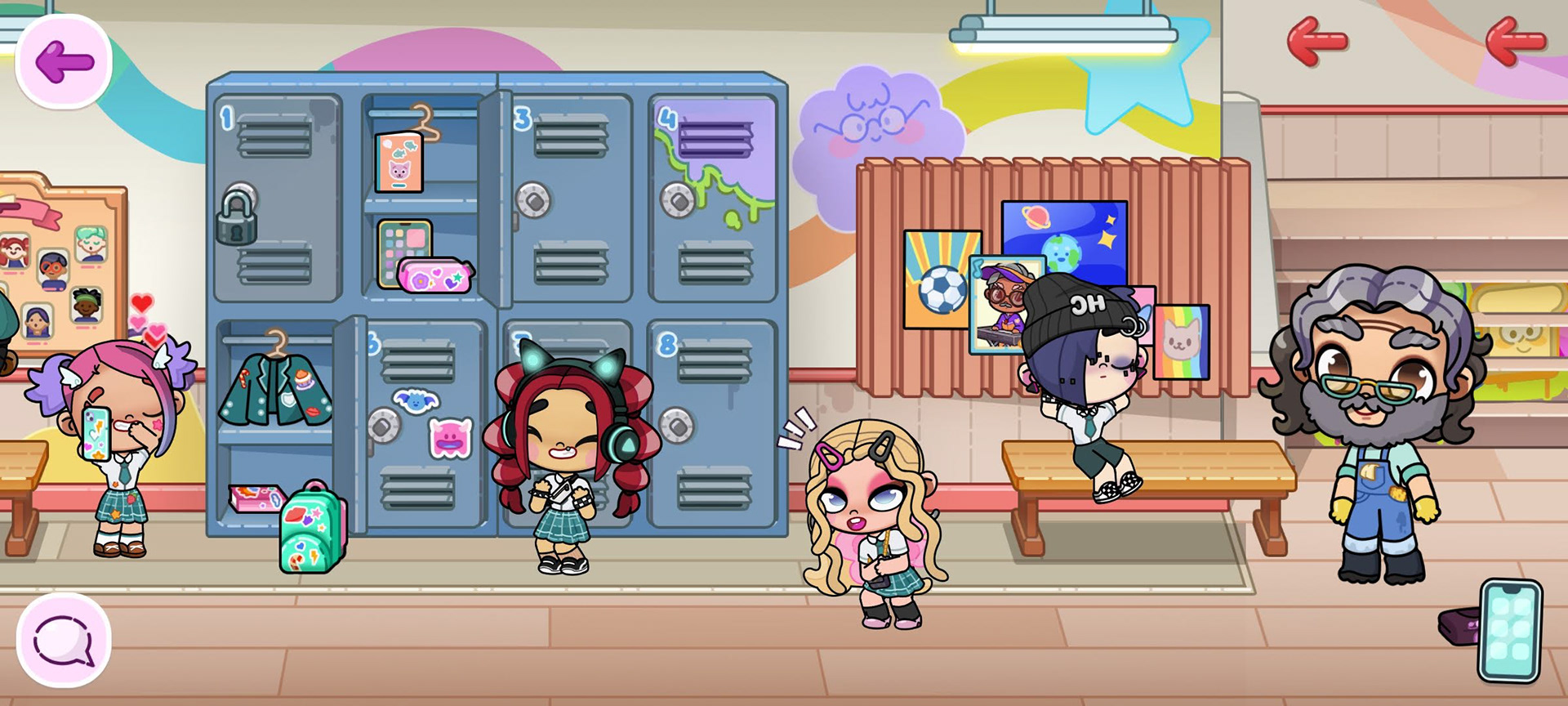
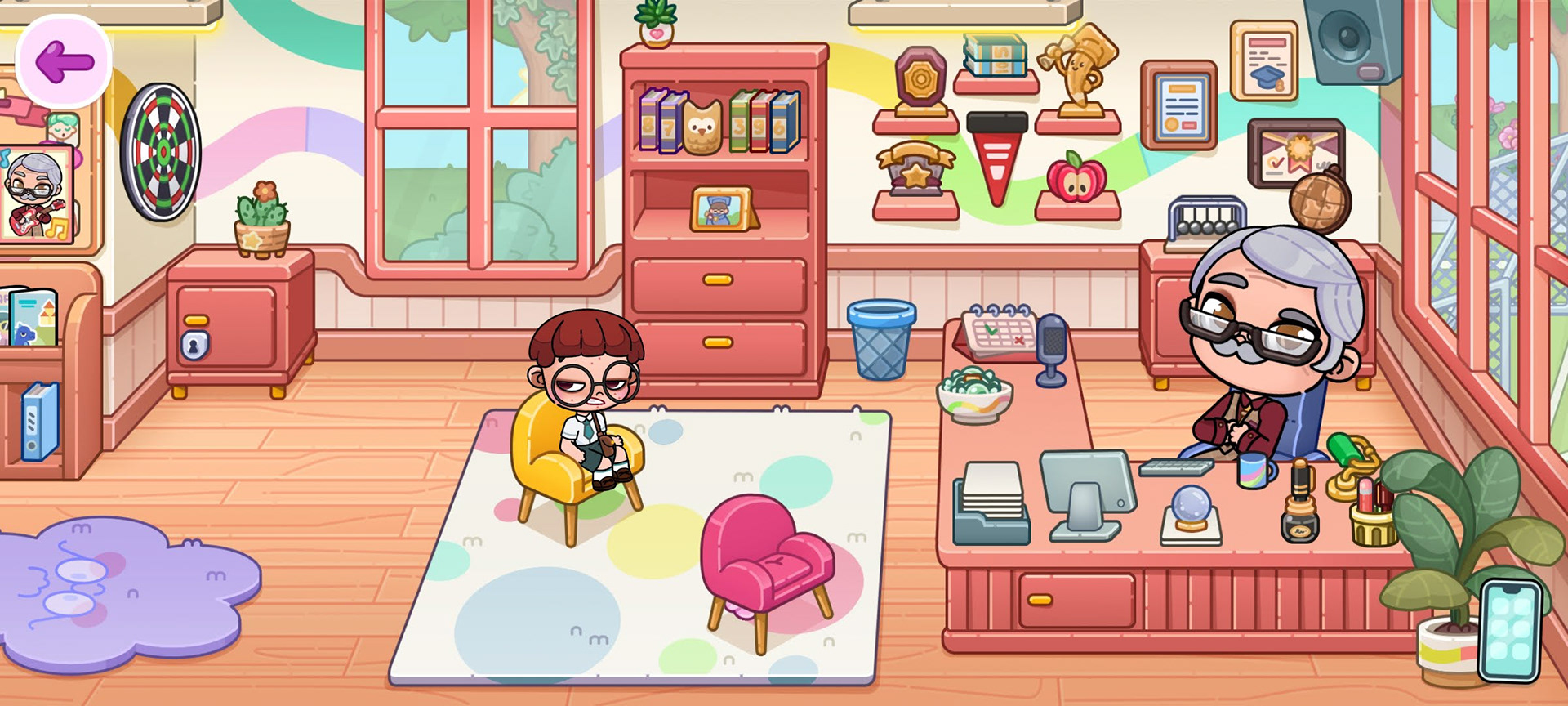
Allowing pretend play in an open world designed for kids guided not only the game design and content selection but also the visual and creative decisions. We needed to create a stage that felt both intriguing and comforting - one that offered space for personal storytelling, freedom in customization and playfulness, while gently guiding players within safe boundaries and limitations.
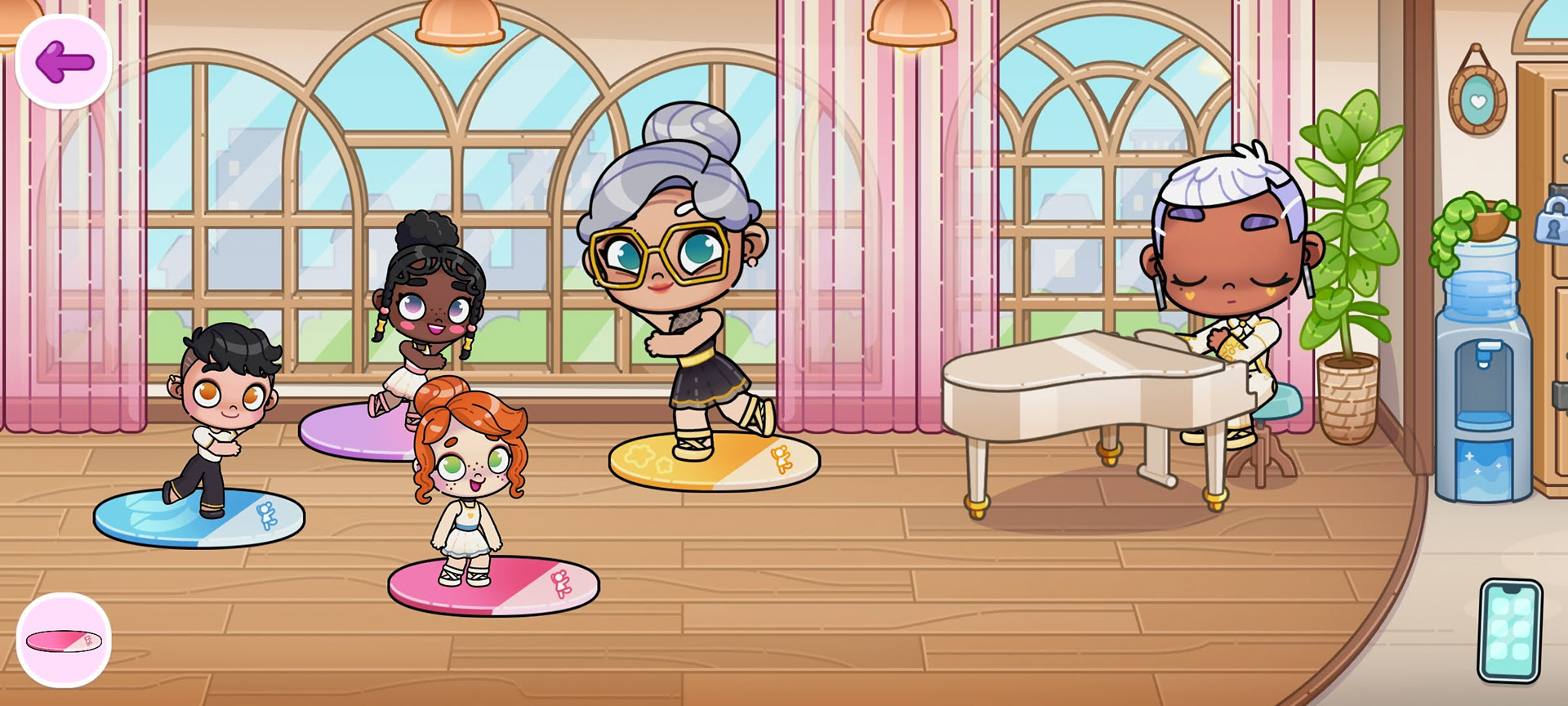
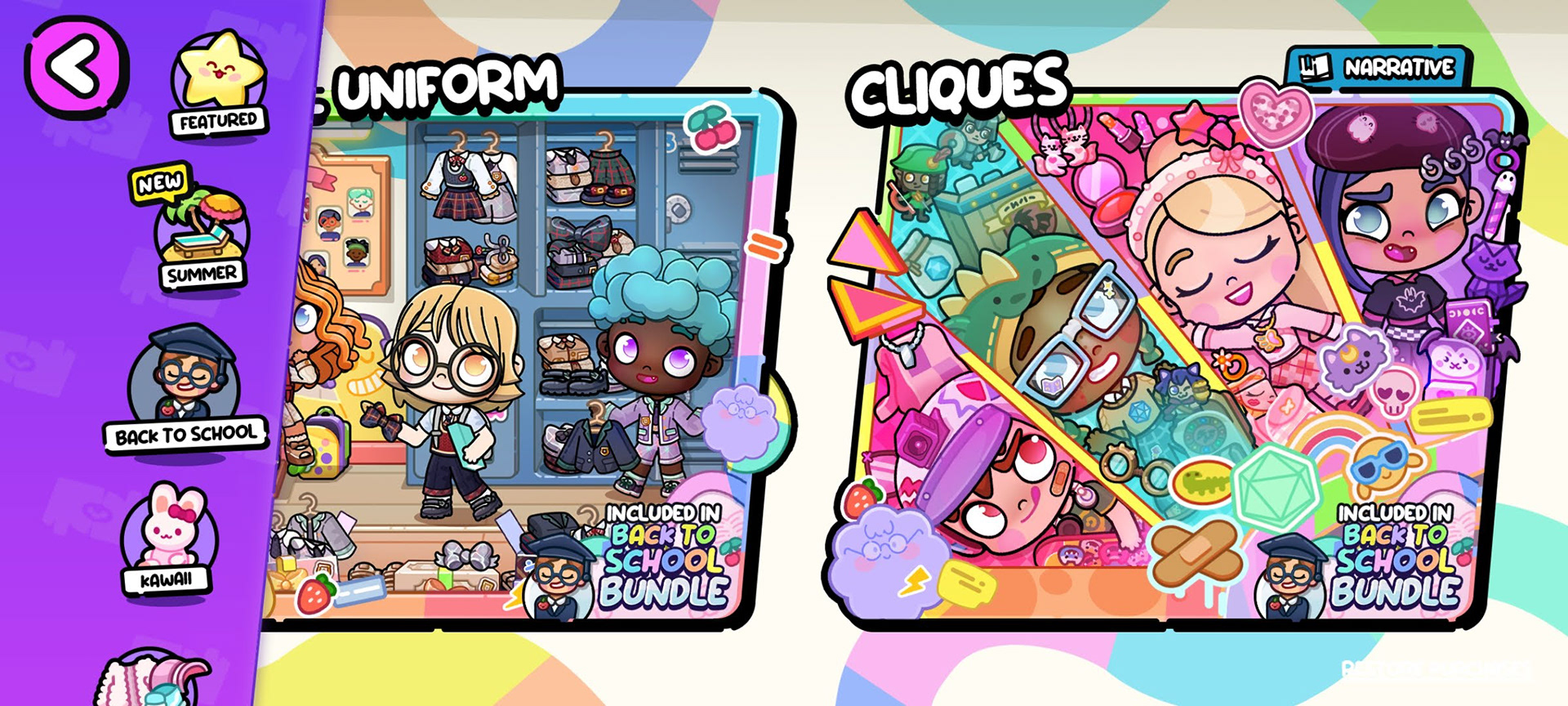
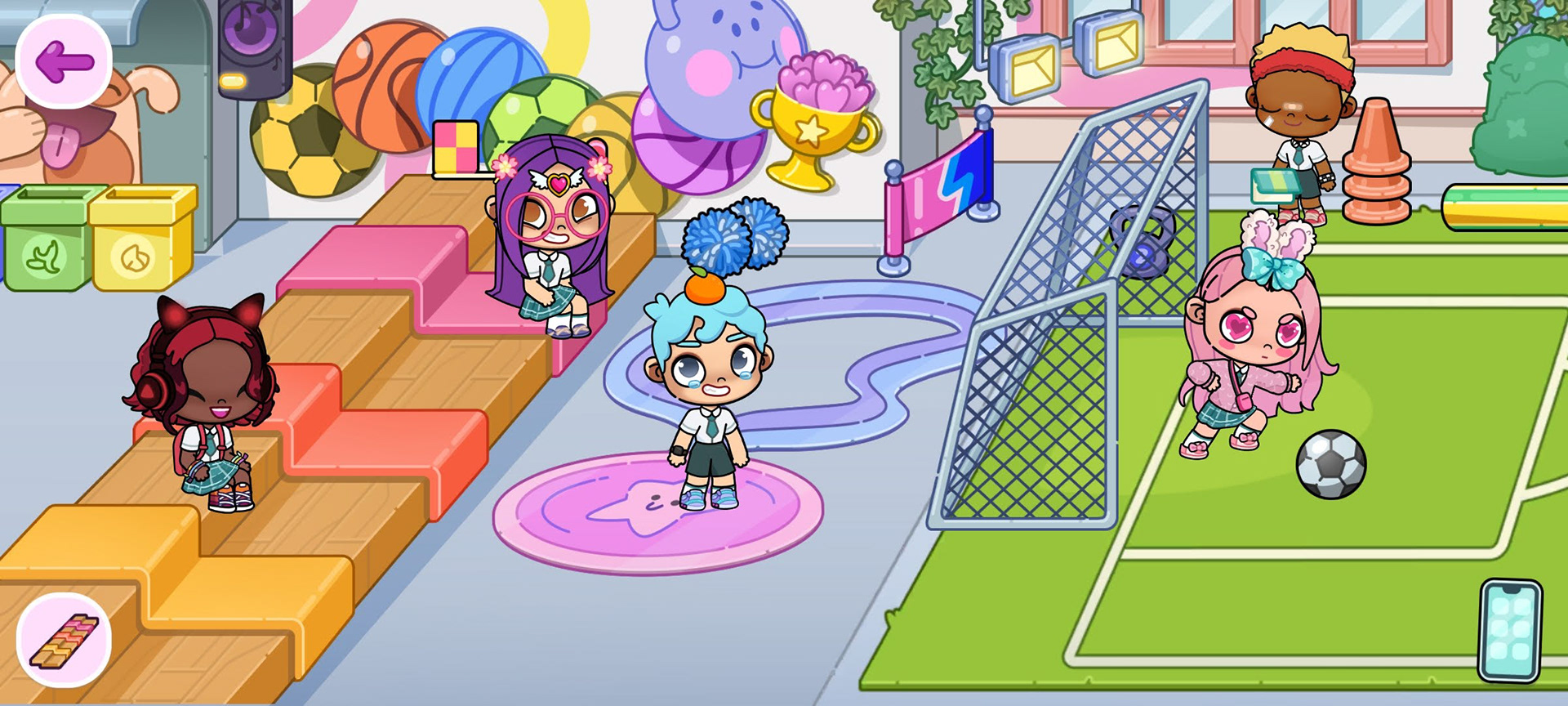
PROP DESIGN
When the team dives into detail, they truly do — perfecting every leaf of a plant, every corner, every bevel of a piece of furniture, and every texture, whether it’s stone, wood, or fabric. Even the smallest items — a pencil, a cup, a book — receive the same care and attention.
My team and I are deeply detail-oriented, and I believe this is what makes our designs exceptional and helps the game stand out among others. I feel fortunate to work with such a talented group of artists who continually raise the bar, fine-tuning our visual language from the tiniest props and elements to the larger picture of the world itself.
TEAM
Building and leading the art team for Avatar World has been one of the most rewarding parts of my work. My role is to guide the vision and connect people - helping each artist’s strengths come together in a coherent whole.
I believe great art direction means recognizing each person’s unique strengths and giving them the space to shine. The team that joined me, one by one, each elevated the art style and creative vision in their own way - bringing the results to a level of finesse I could never have dreamed of:)
We continue to face a variety of technical and creative challenges, always tackling them together as a team. I learn from them constantly - they are deeply skilled, curious, and generous, and they teach me something new every day. I feel proud and grateful to lead such talented people and to keep growing alongside them as we shape the world of Avatar World together.

Disclaimer: Screenshots shown here were captured from the publicly available version of Avatar World by Pazu Games Ltd. They are displayed solely to illustrate my role as the game’s Art Director and to showcase professional experience. All visual assets and intellectual property belong exclusively to Pazu Games Ltd (©). Art Direction and Visual Development by G.L.